HBCU ORIGINAL
Saint Augustine’s Files Chapter 11 — A Legacy Institution at a Crossroads

A historic HBCU is now in the fight of its life.
Saint Augustine’s University has officially filed for Chapter 11 bankruptcy, marking a defining moment not just for the school—but for the future of smaller HBCUs across the country.
The Breaking Point
According to recent reporting from WRAL, the university filed for bankruptcy protection on April 27, 2026, as it faces overwhelming financial pressure, mounting debt, and ongoing operational instability.
This move allows the university to restructure what has been described as a severe financial crisis—one that includes tens of millions owed to creditors and government agencies.
But this wasn’t sudden.
Years of financial strain, leadership turnover, and declining enrollment created a slow-building collapse that has now reached a critical stage.
Accreditation Crisis Made It Worse
One of the biggest blows came in 2025, when the university lost its accreditation battle. Without accreditation, access to federal financial aid becomes uncertain—cutting off a major pipeline for student enrollment and revenue.
Even with temporary legal relief at one point, the long-term damage had already been done.
Now, with bankruptcy in play, the road back becomes even more complicated.
What Happens to Students?
This is where the story hits hardest.
- Seniors are expected to graduate if they’re close to completion
- Other students may be forced into transfer or “teach-out” agreements
- The university has discussed shifting toward certificate and non-degree programs during recovery
The reality: students are caught in the middle of an institutional reset.
Not Just One School — A Warning Sign
Saint Augustine’s isn’t alone—it’s just the latest.
Across the HBCU landscape, especially for smaller private institutions, there are growing challenges:
- Declining enrollment numbers
- Rising operational costs
- Limited endowments
- Heavy reliance on federal aid
Saint Augustine’s situation highlights how quickly things can shift when multiple pressures collide.

The Cultural Impact
Let’s be clear—this isn’t just about finances.
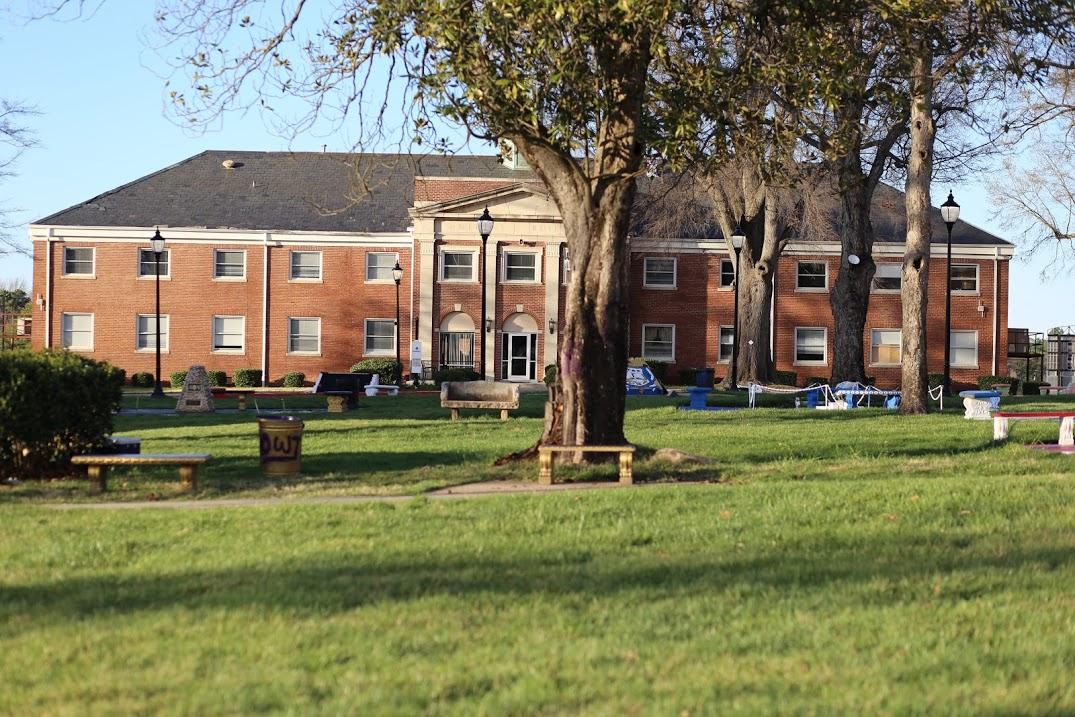
HBCUs like Saint Augustine’s were built to educate Black students when no one else would. Founded in 1867, the institution has served generations of first-generation college students and produced leaders across industries.
When an HBCU struggles, it’s not just a campus at risk—it’s legacy, access, and opportunity.
What Chapter 11 Really Means
Chapter 11 is not closure—it’s a lifeline.
It gives the university a chance to:
- Restructure debt
- Stay operational (for now)
- Attempt a long-term rebuild
But there’s a major obstacle: institutions in bankruptcy typically face restrictions around federal funding, making recovery extremely difficult.
Translation: this is a long road, not a quick fix.
What Comes Next
Right now, Saint Augustine’s future is uncertain.
The university must now prove it can:
- Stabilize leadership
- Rebuild trust
- Secure funding
- Regain accreditation
That’s not easy—but it’s not impossible.
HBCU Original Take
This moment is bigger than one campus.
It’s a reminder that:
HBCUs are essential—but not invincible.
The question moving forward isn’t just whether Saint Augustine’s survives.
It’s whether enough attention, investment, and support will come in time—not just for this institution, but for others quietly facing the same pressures.
Because protecting HBCUs means protecting the pipeline of Black excellence.