
Alumni Impact
Notable Alumni from Historical Black Colleges and Universities (HBCUs)

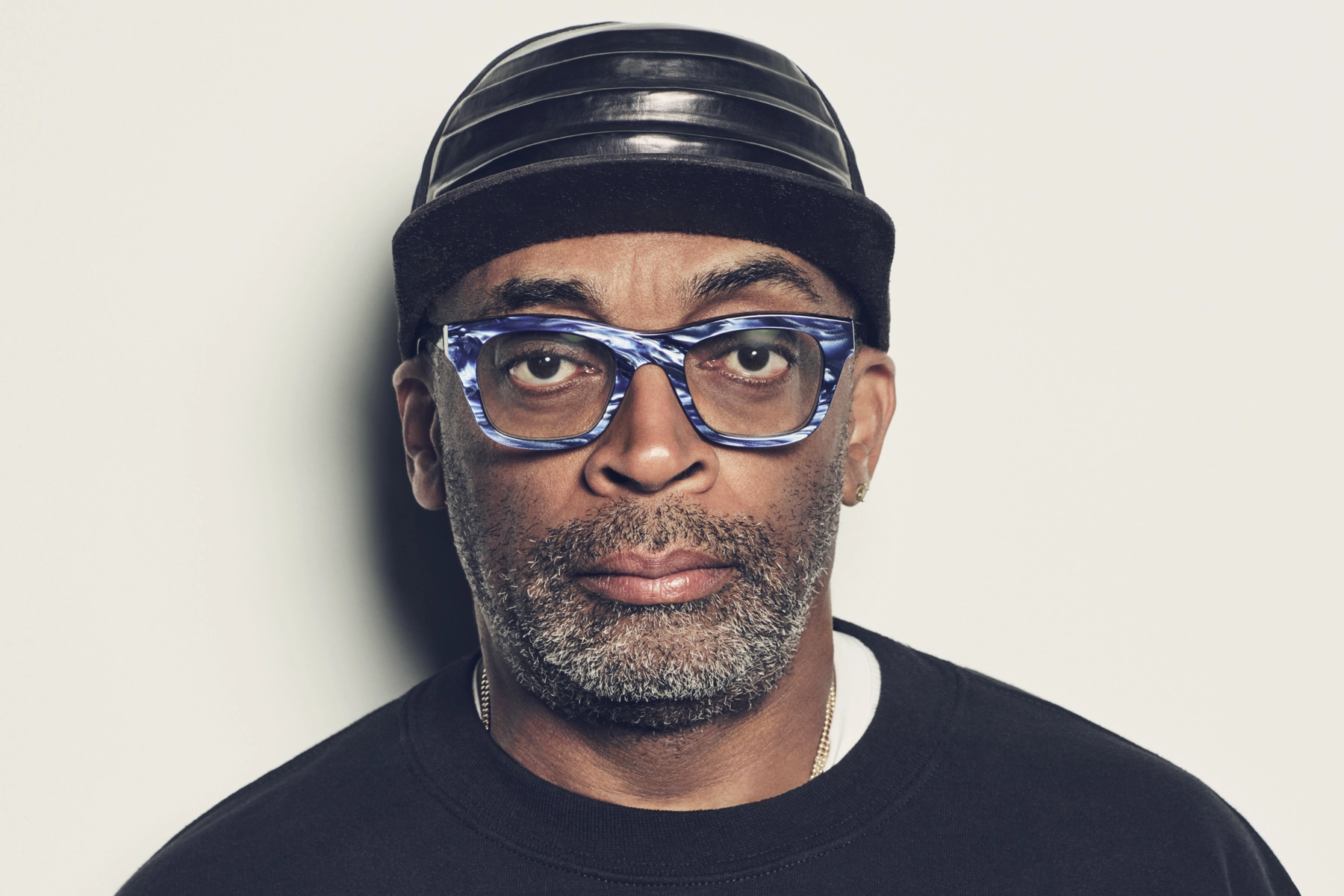
At HBCU Original, we take immense pride in honoring the rich heritage and remarkable achievements of Historical Black Colleges and Universities (HBCUs). Join us as we shine a spotlight on some of the distinguished alumni who have emerged from these esteemed institutions, leaving an indelible mark in various spheres of influence.
Celebrity HBCU Alumni:
- Oprah Winfrey – Tennessee State University
- Taraji P. Henson – Howard University
- Samuel L. Jackson – Morehouse College
- Erykah Badu – Grambling State University
- Chadwick Boseman – Howard University (Late)
- Anika Noni Rose – Florida A&M University
- Common – Florida A&M University
- Wendy Raquel Robinson – Howard University
- Spike Lee – Morehouse College
- Keshia Knight Pulliam – Spelman College
Professional Athletes:
- Jerry Rice – Mississippi Valley State University
- Doug Williams – Grambling State University
- Steve McNair – Alcorn State University (Late)
- Earl Monroe – Winston-Salem State University
- Terry Crews – Western Michigan University (Attended Flint, Michigan’s Interlochen Center for the Arts for High School)
- Willie Lanier – Morgan State University
- Dominique Wilkins – University of Georgia (Attended North Carolina State University for 2 years)
- Alice Coachman – Tuskegee University (Late)
- Tina Thompson – University of Southern California (Attended University of Southern California for Master’s)
- Bob Hayes – Florida A&M University (Late)
Famous Politicians:
- Kamala Harris – Howard University
- Andrew Young – Howard University
- Thurgood Marshall – Lincoln University (Late)
- Shirley Chisholm – Brooklyn College (Attended Brooklyn College’s Jamaica Campus for High School) (Late)
- Kwame Kilpatrick – Florida A&M University
- Stacey Abrams – Spelman College
- Cory Booker – Stanford University (Attended Stanford University for Bachelor’s) (Attended Stanford University for Master’s)
- Julian Bond – Morehouse College (Late)
- John Lewis – Fisk University (Late)
- Barbara Jordan – Texas Southern University (Late)
Musicians and Singers:
- H.E.R. – Berklee College of Music (Attended Berklee College of Music for Music Production and Engineering)
- Diddy – Howard University
- Pharrell Williams – Northwestern University (Attended Northwestern University for 2 years)
- Kamasi Washington – UCLA Herb Alpert School of Music (Attended UCLA Herb Alpert School of Music for Jazz Studies)
- Toni Braxton – Bowie State University
- Patti LaBelle – University of Maryland Eastern Shore
- Sean Combs – Howard University
- T-Pain – Florida A&M University
- K. Michelle – Florida A&M University
- Fonzworth Bentley – Morehouse College
Other Important Persons:
- Dr. W.E.B. Du Bois – Fisk University (Late)
- Dr. Maya Angelou – California Labor School (Late)
- Dr. Alain LeRoy Locke – Harvard University (Late)
- Dr. Octavia E. Butler – California State University, Los Angeles (Late)
- Dr. Carter G. Woodson – University of Chicago (Late)
- Dr. Mary McLeod Bethune – Scotia Seminary (Late)
- Dr. Carter G. Woodson – University of Chicago (Late)
- Dr. John Hope Franklin – Fisk University (Late)
- Dr. Benjamin E. Mays – Bates College (Late)
- Dr. Dorothy Height – New York University (Late
Alumni Impact
Miles College Electrifies the Field by Welcoming Recent Graduate Daja Gratton as Steaming Flags Instructor
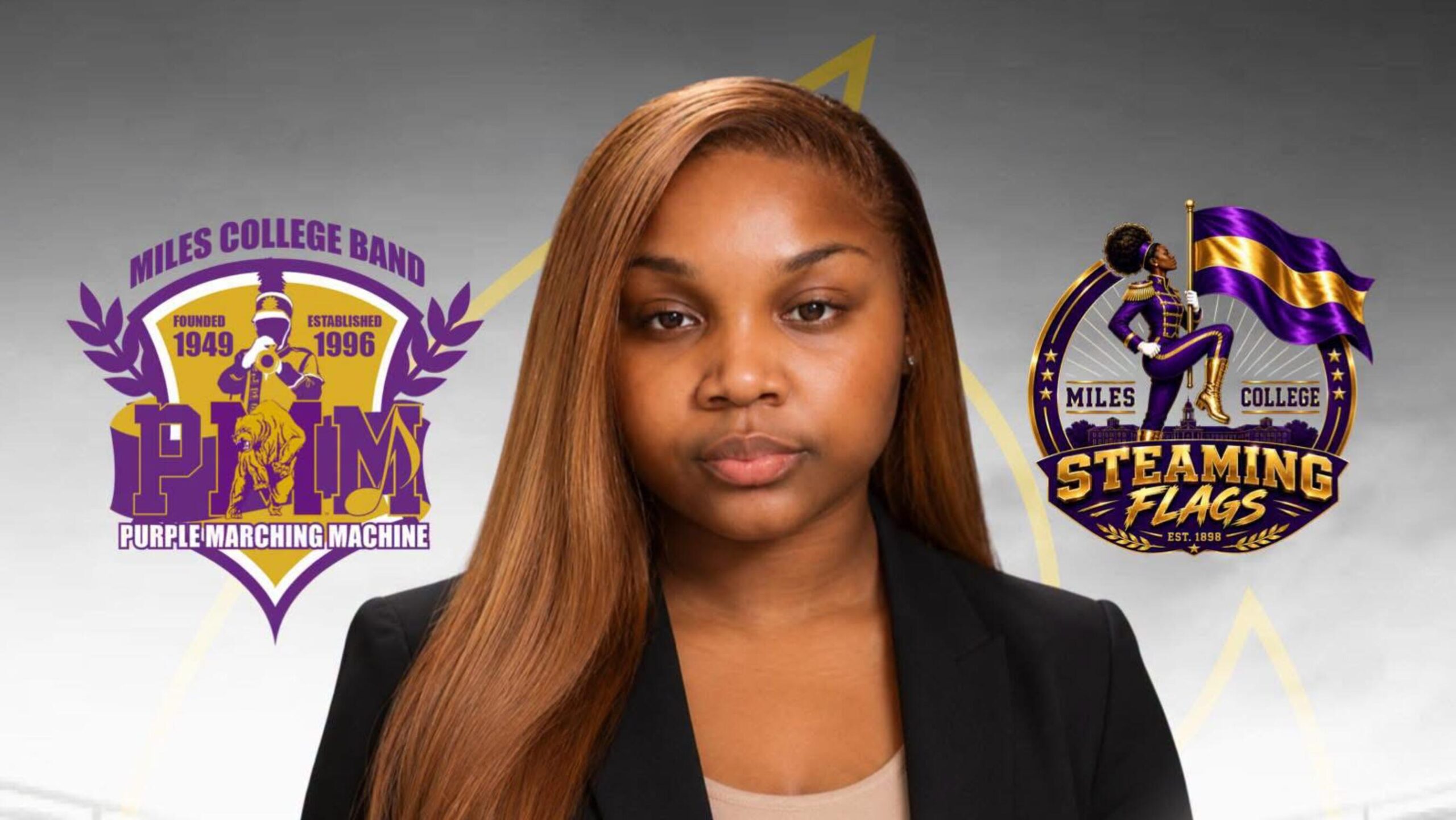
The rhythm is about to get even hotter at Miles College as the institution proudly announces Class of 2025 powerhouse Daja Gratton as the newest instructor for the legendary Steaming Flags!
From 2021 through 2025, Gratton brought unmatched fire and precision to the field as a standout performer with both the Purple Marching Machine and the Steaming Flags. Throughout her dynamic collegiate career, she mastered the complex art of color guard performance while representing Miles College with fierce pride and undeniable excellence. Her journey stands as a testament to elite discipline, synchronized teamwork, and the gold standard of the university band program.
During her time as a student performer, Gratton was the heartbeat of one of the most thrilling traditions at Miles College. Her work with the Steaming Flags injected high energy, stunning visual artistry, and pure school spirit into halftime shows and competitions that mesmerized crowds and uplifted the entire campus community.
Now, she steps into a leadership role ready to ignite the next generation of performers! Gratton brings a deep passion for mentorship and coaching, transforming her direct field experience into powerful instruction. She is dedicated to building confidence, elite sportsmanship, and sharp technical skills in aspiring auxiliaries, proving her impact extends far beyond the stadium lights.
Miles College celebrates Daja Gratton for her phenomenal accomplishments and welcomes her back to lead the Steaming Flags into an unforgettable new era of excellence!
About the Miles College Steaming Flags
The Steaming Flags serve as the official color guard and visual auxiliary unit for the famous Miles College Purple Marching Machine in Fairfield, Alabama. They are widely celebrated as one of the most dynamic and visually captivating performance groups in collegiate marching band culture.
-
Visual Heartbeat of the Band: The Steaming Flags transform the musical power of the Purple Marching Machine into synchronized physical art. They add vibrant color, motion, and theatrical flare to every halftime show, parade, and stadium performance.
-
Dynamic Performance Style: In the celebrated tradition of historically Black colleges and universities, the Steaming Flags go far beyond standard flag spinning. Their routines blend intricate flag manipulation, rapid tosses, sharp marching techniques, and expressive dance choreography that matches the driving tempo of the band.
-
Elite Training and Tradition: Performing with this unit requires intense stamina, rhythm, technical precision, and flawless coordination. Members undergo rigorous conditioning to execute complex visual routines while maintaining peak energy and showmanship from the first beat to the final whistle.
-
Leadership and Pride: As premier ambassadors for Miles College, the flag line embodies school spirit and cultural pride. The unit fosters lifelong sisterhood and leadership development, making experienced alumni instructors like Daja Gratton essential for preserving their rich standards of excellence.
Alumni Impact
Alabama State University and Morris Brown College Forge New Graduate Education Pathway
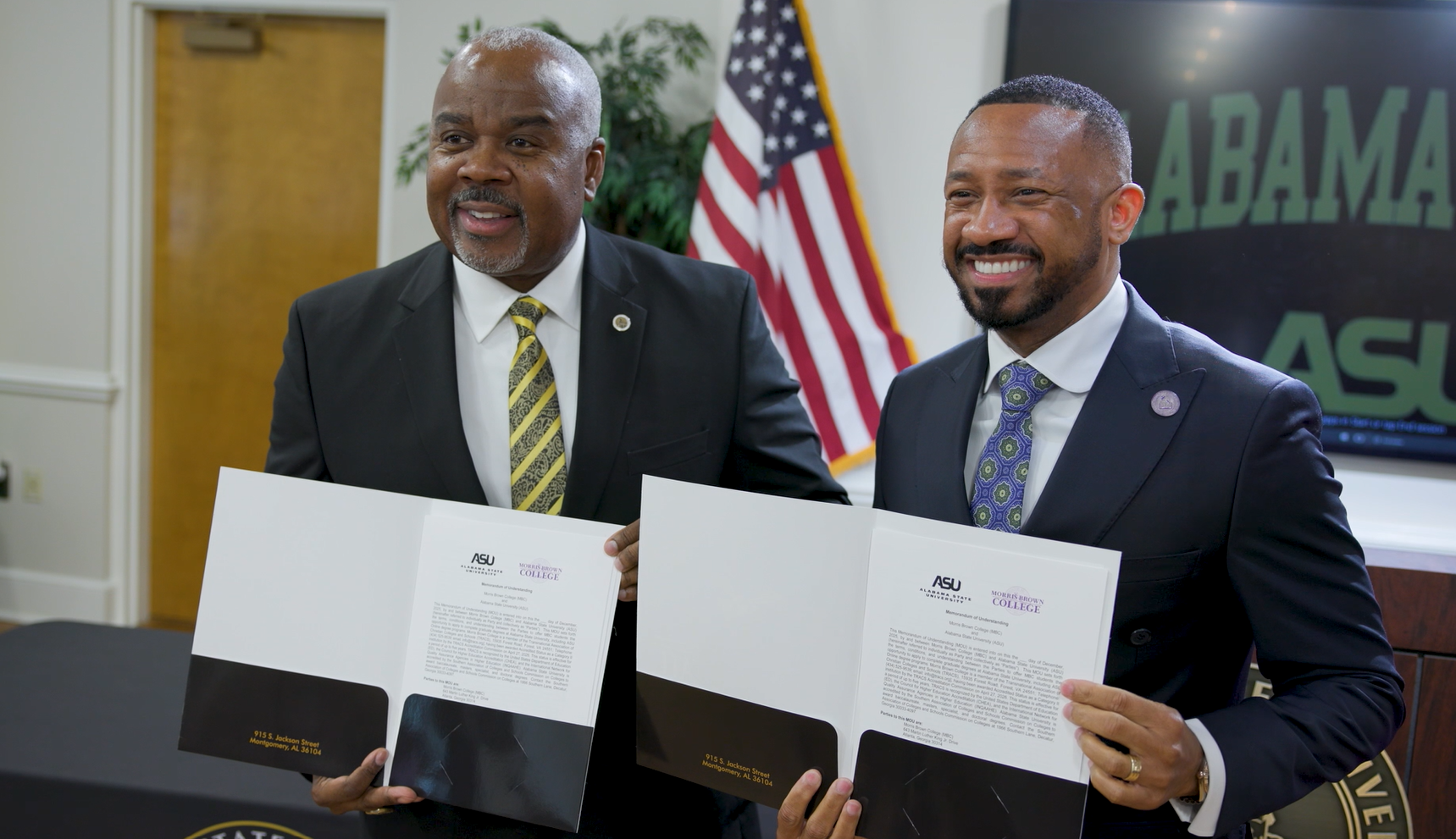
MONTGOMERY, Ala. — In a move that highlights the continued spirit of collaboration among Historically Black Colleges and Universities, Alabama State University (ASU) and Morris Brown College have officially entered into a new partnership designed to expand educational opportunities for students seeking advanced degrees.
The two institutions signed a Memorandum of Understanding (MOU) on June 16, 2026, at Alabama State University’s historic campus in Montgomery, Alabama. The agreement creates a direct pathway for Morris Brown College graduates to apply for admission into Alabama State University’s graduate degree programs, including several online offerings.
University leaders say the partnership reflects a shared commitment to increasing access to higher education while preparing the next generation of professionals, educators, and community leaders.
“Historically Black colleges and universities have long worked together to create opportunities that transform lives and strengthen communities,” said Alabama State University President Dr. Quinton T. Ross Jr. “As an institution founded to educate and prepare teachers, this partnership brings us full circle. Joining with Morris Brown College to continue that legacy makes this collaboration especially meaningful.”
The agreement is expected to create new opportunities for Morris Brown graduates seeking advanced degrees, particularly in the field of education. Alabama State University’s College of Education will play a key role in supporting students as they continue their academic journeys.
Dean Anthony Broughton emphasized the importance of the collaboration in addressing future workforce needs.
“This partnership with Morris Brown College represents our shared commitment to student achievement and to creating pathways that support educational and professional advancement,” Broughton said. “We are excited to welcome and support Morris Brown students as they pursue careers in education and help strengthen the teaching workforce for generations to come.”
The signing ceremony brought together ASU President Dr. Quinton T. Ross Jr. and Morris Brown College President Dr. Kevin E. James, symbolizing the growing cooperation among HBCUs dedicated to student success and institutional advancement.
As HBCUs continue to innovate and build strategic partnerships, this agreement serves as another example of how Black colleges are working together to create opportunities that extend beyond graduation. The collaboration not only strengthens academic pathways but also reinforces the historic mission of HBCUs to uplift communities through education, leadership, and service.
HBCU Original Magazine will continue to follow this partnership and its impact on students across both institutions.
Alumni Impact
Arthur M. Blank Family Foundation’s HBCU Scholarship Initiative Tops $4.2 Million in Student Support
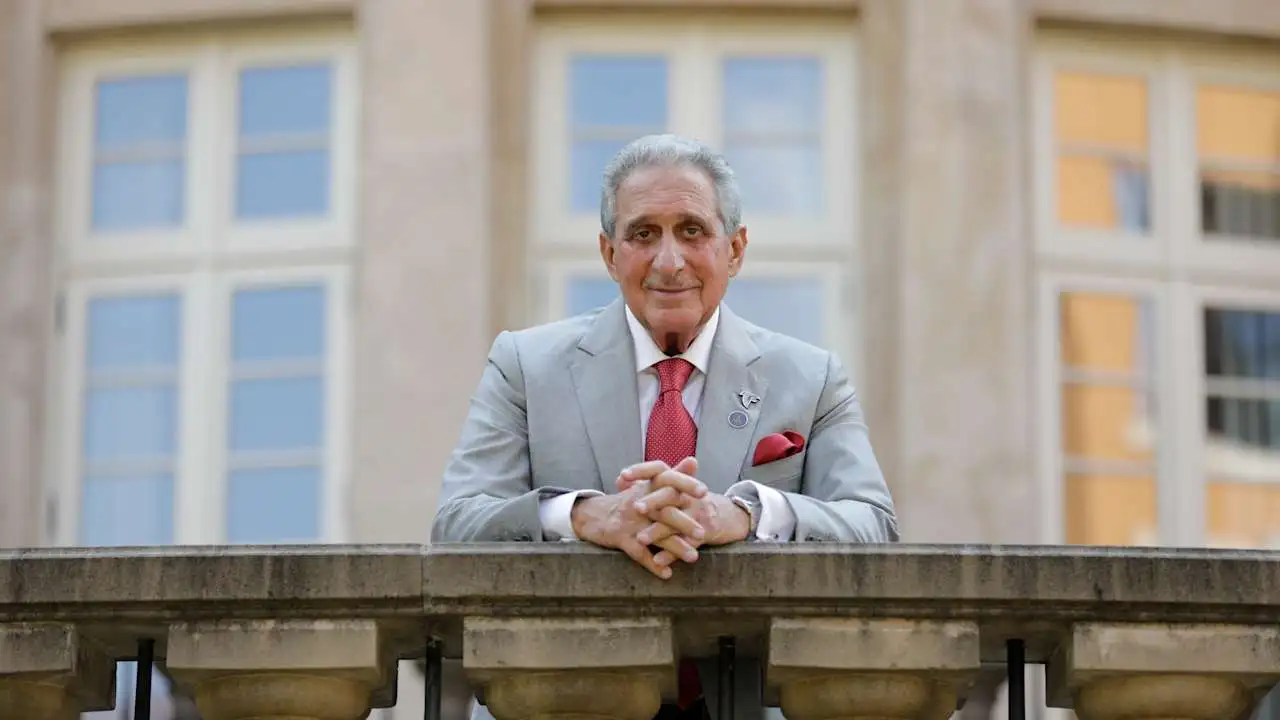
The Arthur M. Blank Family Foundation has reached an early milestone in its ambitious $50 million, 10-year scholarship commitment, announcing that more than $4.2 million has already been distributed to students attending Atlanta’s Historically Black Colleges and Universities.
Launched in October 2025, the initiative is designed to provide critical “gap funding” to juniors and seniors who are closest to graduation but may be held back by remaining financial balances. The program focuses specifically on students in their final semesters, a period when financial pressure is often most intense and traditional aid options have been exhausted.
To date, the foundation has supported approximately 600 students across three major HBCUs in Atlanta: Clark Atlanta University, Morehouse College, and Spelman College.
Breakdowns provided by the foundation show $1.45 million distributed to 290 students at Clark Atlanta, $1.24 million to 115 students at Morehouse, and $1.65 million to 189 students at Spelman.
Among the recipients is Kayla Drummond, a first-generation Clark Atlanta University student who is set to graduate this year. Drummond used the scholarship assistance to eliminate a remaining balance that had threatened her ability to complete her degree.
“From my first time stepping on Clark Atlanta’s campus I felt a sense of family and this is where I belong,” Drummond said. “This diploma isn’t just for me, it’s for my family, it’s for my friends, the love, the prayers, the support.”
Foundation leaders say the program is built to scale over the next decade, with the goal of supporting thousands of students while encouraging broader investment in HBCU student success nationwide.
“We’ve seen what’s possible when students get the support they need to cross the finish line,” said Margaret Connelly, managing director of Founder Initiatives at the Arthur M. Blank Family Foundation. “That’s what drives this work, and why we hope this initiative encourages others to invest in closing these gaps and helping more students achieve the futures they’ve worked so hard to reach.”
The initiative continues to position itself as one of the most significant private scholarship efforts supporting HBCU students in recent years.
Alumni Impact
Magic Johnson Highlights Rare HBCU Commencement Honor After Speaking at Two Alabama Schools
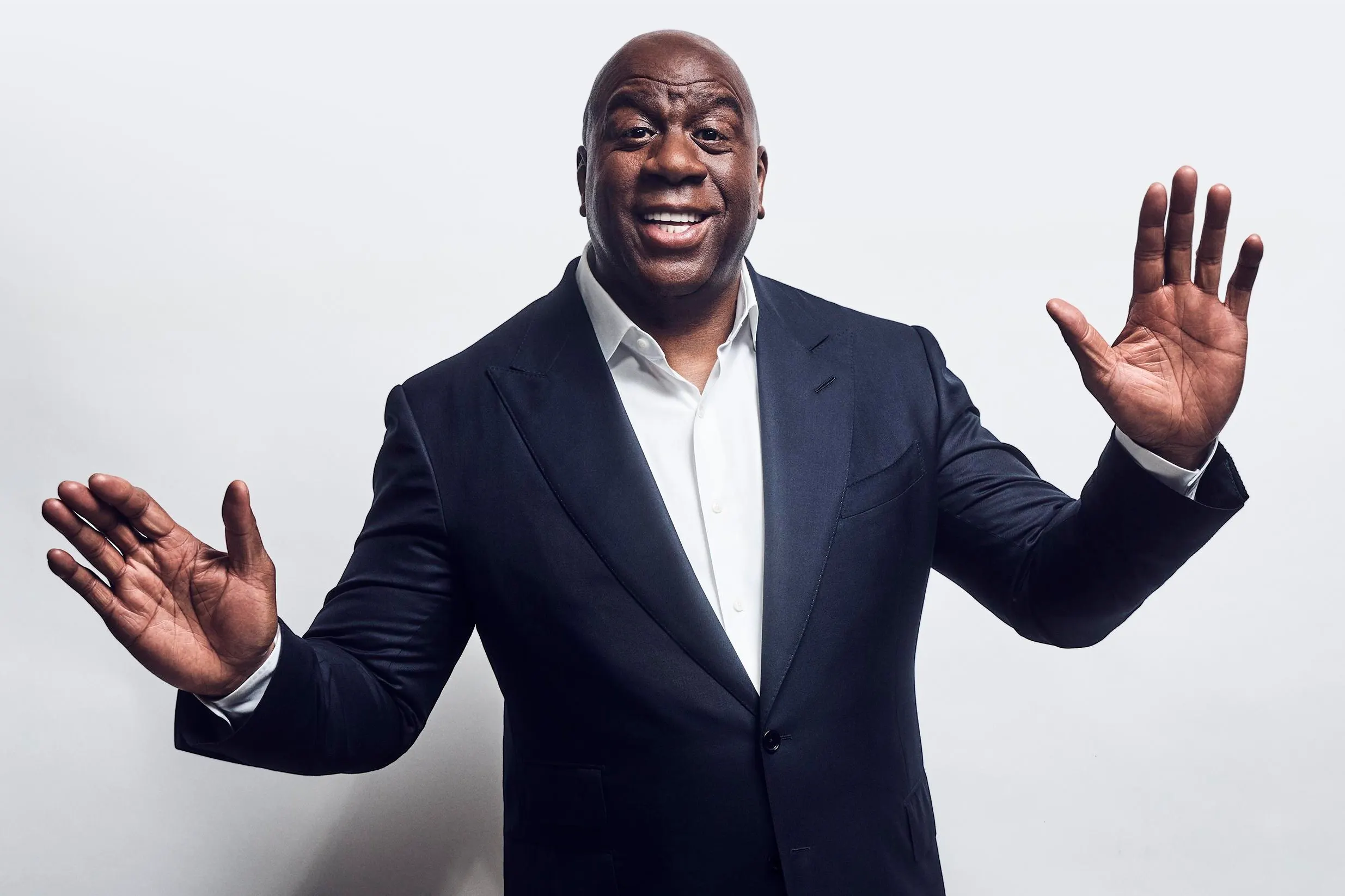
Magic Johnson is reflecting on what he called a “rare privilege” after delivering two HBCU commencement speeches in a single day, addressing graduates at both Stillman College and Tuskegee University in Alabama.
The Basketball Hall of Famer and business executive spoke during a busy commencement season, noting that it is uncommon for a single speaker to be invited to multiple HBCU graduations—especially within the same state on the same day.
In a post shared after the events, Johnson thanked both institutions for the opportunity, highlighting his visits to Stillman College during its 150th anniversary celebration and Tuskegee University, one of the nation’s most historic HBCUs.
At Stillman, Johnson delivered remarks to graduates and also received an honorary Doctorate of Business Administration. He later spoke at Tuskegee University, where he addressed a large crowd in the stadium, with additional audiences gathered in overflow spaces.
Johnson’s message focused on leadership, discipline, and global ambition, encouraging graduates to be “bold, strategic, global, active, and intentional.” He also pointed to the impact of HBCUs in producing Black professionals across multiple fields, citing their outsized role in developing judges, doctors, lawyers, engineers, and CEOs.
HBCU commencement speakers delivering multiple addresses in the same season remains uncommon, placing Johnson alongside a small group of notable figures participating in similar dual engagements this year.
Other speakers this commencement season include Dr. Michael Eric Dyson and Virginia Attorney General Jay Jones, who have also addressed multiple HBCU graduating classes.
Johnson’s remarks centered on economic empowerment, personal branding, and preparing graduates for emerging industries such as artificial intelligence and global business.
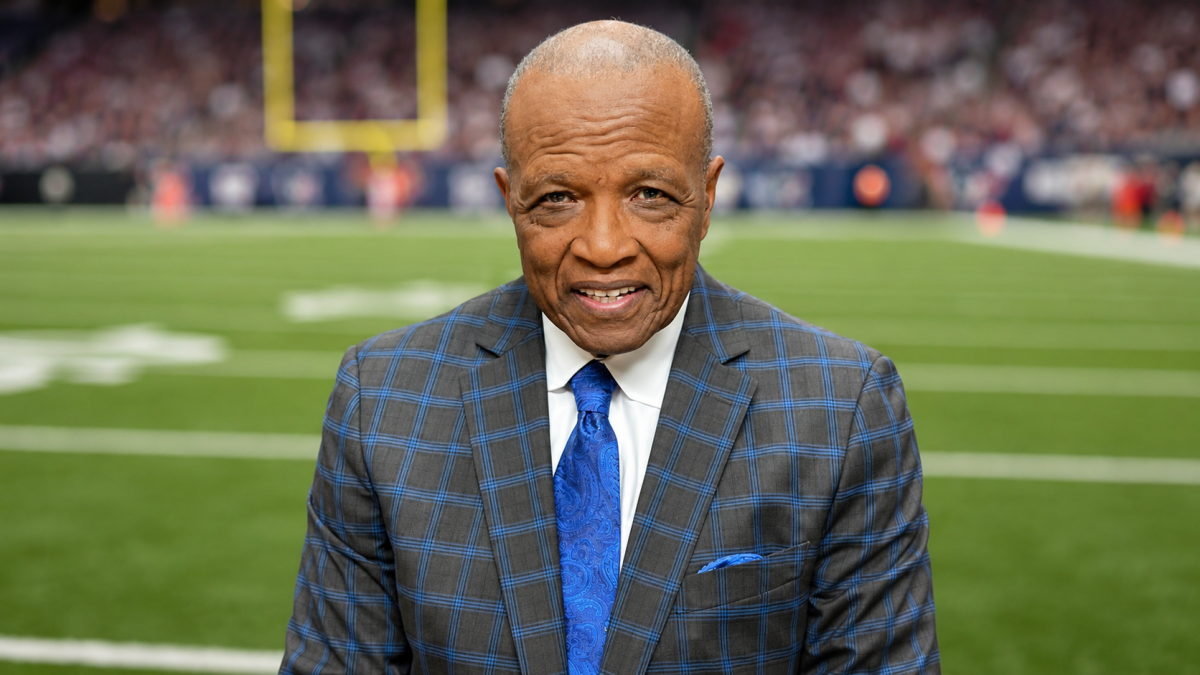
Charlie Neal, the legendary broadcaster whose voice helped bring HBCU sports into national prominence, has died following an illness. He was 80 years old.
Neal spent decades building a career rooted in preparation, storytelling, and a deep respect for Black college athletics. Born on October 28, 1945, he became much more than a play-by-play announcer—he became one of the defining voices explaining why HBCU sports matter.
At a time when Black college football and basketball received little national coverage, Neal helped change that reality by helping build platforms that treated those games with professionalism and visibility. His work helped elevate HBCU athletics from overlooked competition to nationally recognized tradition.
A pioneer at BET and beyond
In 1980, Neal joined the founding of Black Entertainment Television (BET), where he became a key figure in establishing national coverage of HBCU sports. He served as lead play-by-play announcer and executive producer for sports programming, helping shape both the broadcast schedule and the presentation of games.
For many fans, Neal became the voice of Saturday afternoons in HBCU football and basketball, calling matchups across conferences including the MEAC, CIAA, SWAC, and SIAC.
A voice that preserved HBCU history
Neal was known for more than calling plays—he gave context and meaning to what viewers were watching. He frequently connected current athletes and teams to HBCU legends like Walter Payton and Jerry Rice, helping audiences understand the historical depth behind every game.
His broadcasts helped preserve the culture of HBCU athletics, highlighting not just competition, but marching bands, campus pride, coaching legacies, and community tradition.
He also formed a long-running broadcasting partnership with Hall of Famer Lem Barney, becoming one of the most recognizable duos in HBCU sports media.
Continued influence across networks
After BET moved away from sports coverage, Neal continued his career with major outlets including ESPN, where he called the first football game aired on ESPNU. In later years, he remained active with HBCU GO, continuing to lend his voice to the programs he helped elevate.
Honors and legacy
Neal’s impact was widely recognized across college sports. He was inducted into the MEAC Hall of Fame, CIAA Hall of Fame, and Black College Football Hall of Fame. In 2023, he became the first HBCU representative to receive the Chris Schenkel Award, one of broadcasting’s highest honors.
Reflecting on his career, Neal once said, “I have been blessed… I have been able to do things some people can’t even dream of doing.”
Charlie Neal’s legacy is not only in the games he called, but in the visibility he helped create for generations of HBCU athletes and programs. He helped ensure that Black college sports were seen, heard, and remembered.
-
 Campus2 months ago
Howard Alumnus Chequan Lewis Takes the Helm as CEO of Crunch Fitness
-
 Campus3 weeks ago
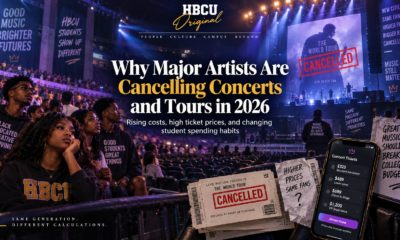
Why Major Artists Are Cancelling Concerts and Tours in 2026
-
 Campus1 month ago
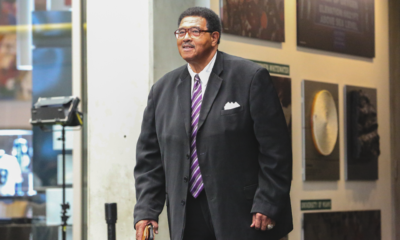
SIAC Mourns the Loss of Benedict Director of Athletics, Hall of Famer Willie Washington
-
 Campus1 month ago
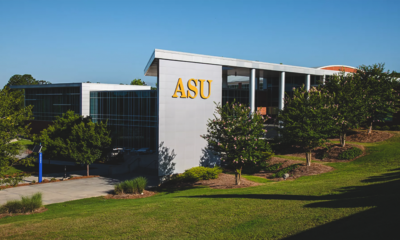
Albany State University Receives Tara VanDerveer Fund for the Advancement of Women in Coaching Grant
-
 Sports1 week ago
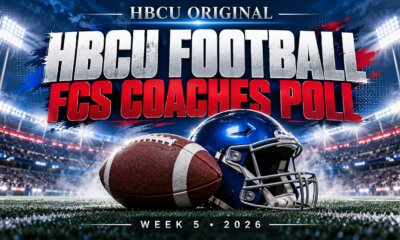
Jackson State Takes No. 1 as Morgan State Climbs in HBCU Football Poll
-
 Sports1 week ago
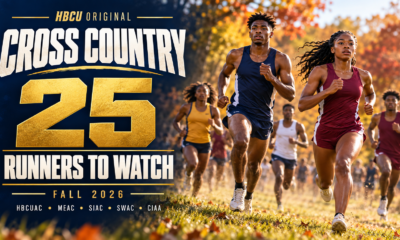
HBCU Original’s Cross Country Watch List: 25 Runners Making Their Mark This Fall
-
 Sports1 week ago
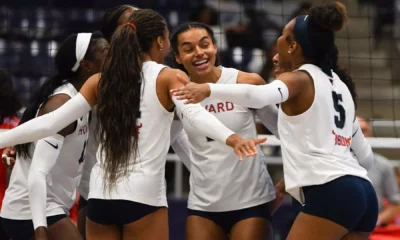
Howard Holds Off Delaware State for First Home Volleyball Win
-
 Sports1 week ago
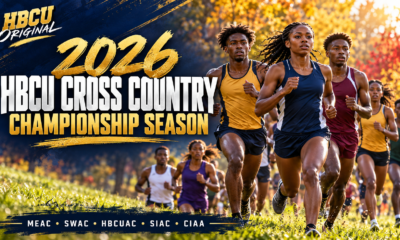
HBCU Cross Country Championship Season Is Coming: Dates and Locations for Five Conferences