
Sports
HBCU Commissioners Sound Alarm: College Sports at Risk as Congress Pushes Dangerous Policy

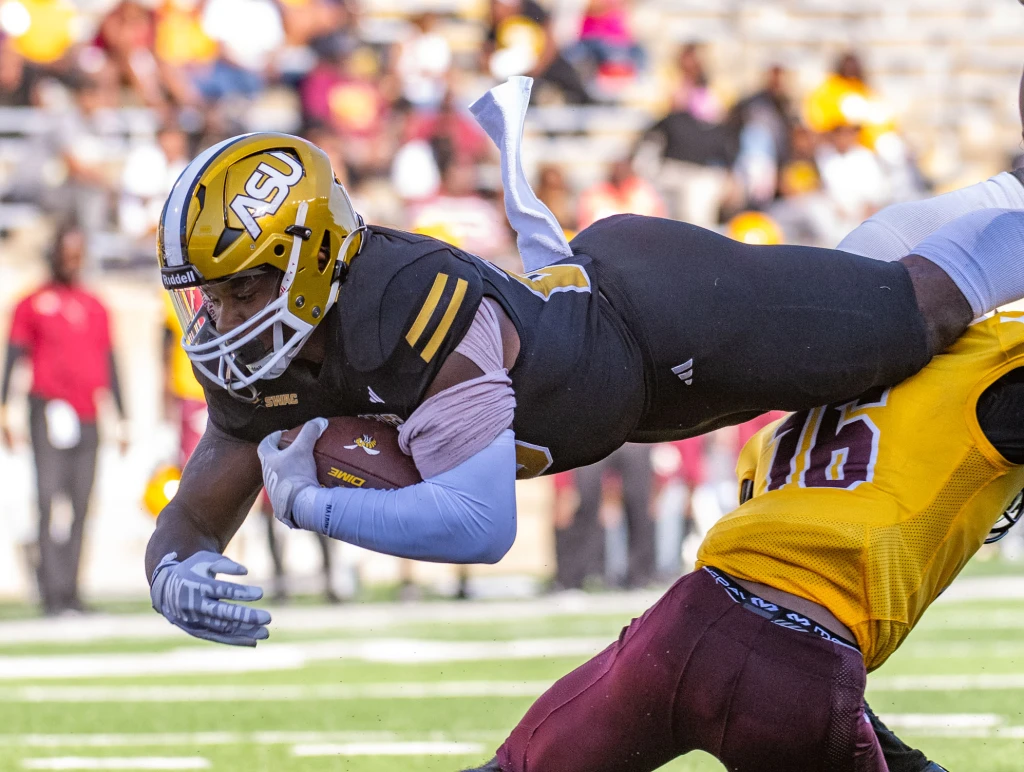
HBCU Athletics Under Attack? Leaders Warn Congress of Devastating Consequences
HBCU sports are at a breaking point—and Washington might be to blame. Just a few years after experiencing a resurgence, historically Black colleges and universities (HBCUs) are now facing policies that could cripple their athletic programs.
The commissioners of the four major HBCU conferences—MEAC, SWAC, SIAC, and CIAA—are calling on the Congressional Black Caucus (CBC) to intervene before it’s too late. Their warning? The growing movement to classify college athletes as employees could financially devastate HBCUs, forcing massive cuts to scholarships and programs.
A Direct Threat to HBCU Sports
If athletes become paid employees, schools will be forced to add them to payrolls—making them and the institutions subject to heavy taxation. Unlike powerhouse programs in the Power 4, most HBCUs don’t generate millions from media deals. Instead, they rely on school funds and donors—many of whom are already pulling back due to corporations slashing diversity, equity, and inclusion (DEI) initiatives.
“We’re watching the dismantling of HBCU athletics in real-time,” said Anthony Holloman, SIAC commissioner. “These schools won’t be able to keep up.”
Even with recent partnerships, like the SIAC, CIAA, and SWAC streaming deals with Allen Media Group’s HBCU Go, HBCUs are still financially outmatched. Power 4 programs rake in billions from broadcasting rights, while HBCUs struggle to secure similar opportunities.
NIL and the Transfer Portal: Widening the Gap
HBCUs are also being left behind in the new era of name, image, and likeness (NIL) deals. While Power 4 athletes sign multimillion-dollar contracts, HBCU athletes are overlooked, making recruitment and retention even harder.
The extended NCAA transfer portal has made matters worse, with top HBCU athletes being poached by larger programs with deeper pockets. “We’re being used as a stepping stone,” Holloman admitted.
Congressional Black Caucus Steps In
CBC Chairwoman Yvette Clarke has agreed to meet with HBCU commissioners this month. Their plea? Federal intervention to stop a patchwork of state laws that are creating chaos in college athletics and harming HBCU programs the most.
“To ensure that college sports broadly—and HBCU sports especially—can continue to thrive, it’s essential that Congress affirm that student-athletes are not employees,” the commissioners wrote in their letter.
HBCU Sports at a Crossroads
Not long ago, HBCU athletics were thriving. Deion Sanders’ tenure at Jackson State brought national attention, and post-George Floyd donations helped programs expand. Morgan State even revived men’s wrestling under Olympic champion Kenny Monday.
But now, all of that progress is in jeopardy.
If Congress moves forward without HBCU voices in the conversation, the very foundation of HBCU sports could crumble. The commissioners’ message is clear: If Washington doesn’t act now, it will be responsible for the downfall of Black college athletics.
The question is—will Congress listen?






By Tamara Brown
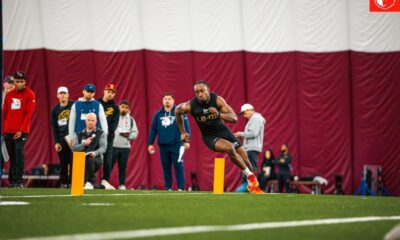
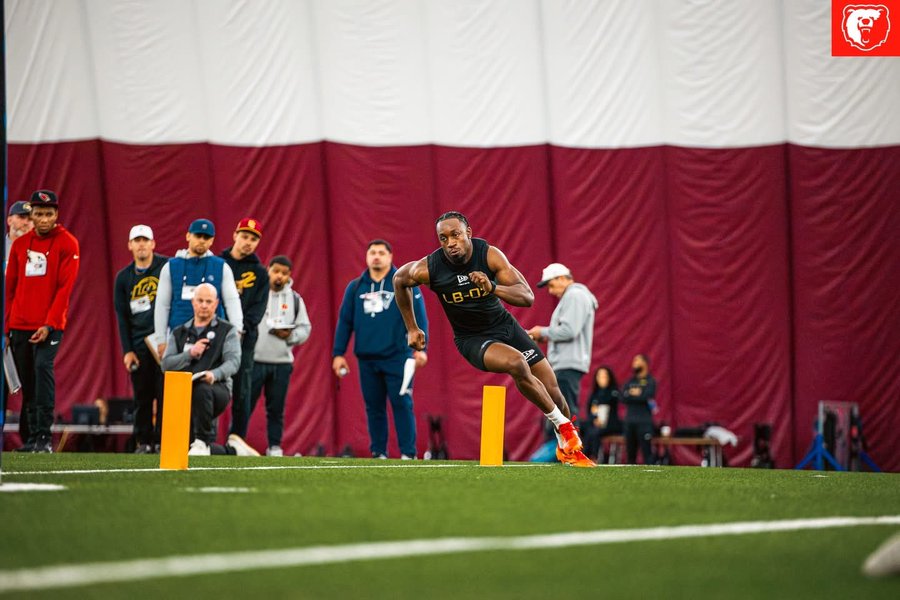
With no HBCU players invited to the 2026 NFL Scouting Combine, a group of 48 standouts took matters into their own hands—using the league’s newly expanded showcase to make one final push toward the NFL Draft.
Held at the Washington Commanders’ training facility in Ashburn, Virginia, the event marked a historic first as the NFL HBCU Showcase merged with the International Player Pathway Pro Day, creating a unified platform designed to elevate overlooked talent.
For HBCU prospects, the stakes couldn’t be higher.
Over the past three years, only two HBCU players have been selected in the NFL Draft, and with no active HBCU invitees to this year’s combine, opportunities to impress scouts are limited. That reality makes showcases like this one critical—offering a direct pipeline to NFL and CFL personnel evaluating talent up close.
This year’s event brought together talent from across the MEAC, SWAC, CIAA, and SIAC, featuring names like Noah Miles (Howard), Walker Harris (North Carolina Central), Quincy Ivory (Jackson State), and Erick Hunter (Morgan State). The field also included top Division II talent, including Virginia Union running back Curtis Allen, the reigning DII Player of the Year.
But one name stood above the rest.
Morgan State linebacker Erick Hunter delivered a combine-level performance that turned heads across the league. At 6-foot-2 and 224 pounds, Hunter clocked a 4.48-second 40-yard dash, a time that would have ranked among the best at his position in Indianapolis. He also posted a 10-foot-10 broad jump and a 37-inch vertical, showcasing elite explosiveness and athleticism.
Other standouts made their mark as well. Jackson State’s Donerio Davenport and Benedict’s Jamal Sam both posted blazing 1.56-second 10-yard splits, while Florida A&M offensive lineman Ashton Grable powered his way to the top of the bench press leaderboard with 28 reps.
Beyond the numbers, prospects also participated in position drills and interviews with NFL and CFL personnel—critical moments that could determine futures at the next level.
As evaluations continue, all eyes now turn to the 2026 NFL Draft, set for April 23–25 in Pittsburgh. For many of these athletes, Ashburn may have been the moment that changed everything.
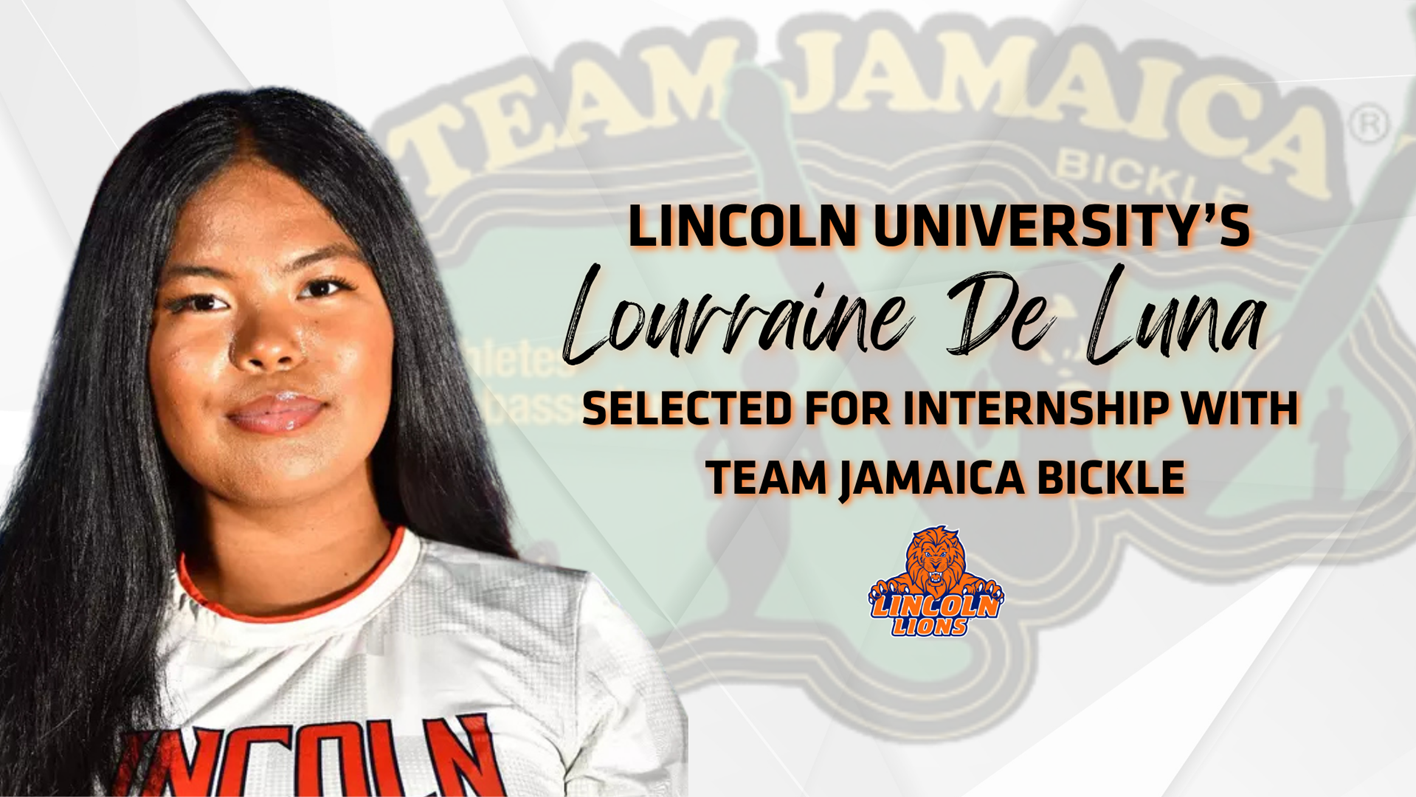
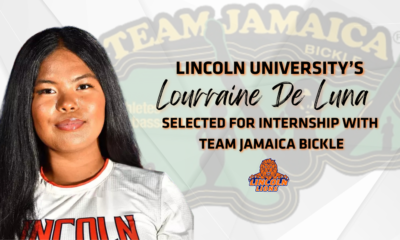
In a move that blends athletics, academics, and global opportunity, Lincoln University’s Lourraine De Luna has been selected for a prestigious internship with Team Jamaica Bickle during the upcoming 2026 Penn Relays. The experience will place De Luna at the heart of one of track & field’s most iconic events, where she’ll work directly in event management and sports marketing.
The internship—slated for April 22–26 in Philadelphia—offers De Luna a rare chance to gain real-world experience beyond the classroom. She’ll assist with key aspects of the meet’s operations, working alongside Team Jamaica Bickle staff to help deliver a world-class competition experience for athletes and fans alike.
De Luna’s selection reflects both her academic strengths and her commitment to excellence off the field. A standout student-athlete, she was chosen for her ability to connect her health science background with strategic thinking and communication skills—attributes that made her application stand out in a competitive field.
For Lincoln University, the placement underscores the growing emphasis on preparing student-athletes for careers that intersect sport, business, and global engagement. As the Penn Relays approach, De Luna will bring the Pride of Lincoln to an international stage—showcasing that HBCU athletes excel not just in competition, but in leadership and professional development too.
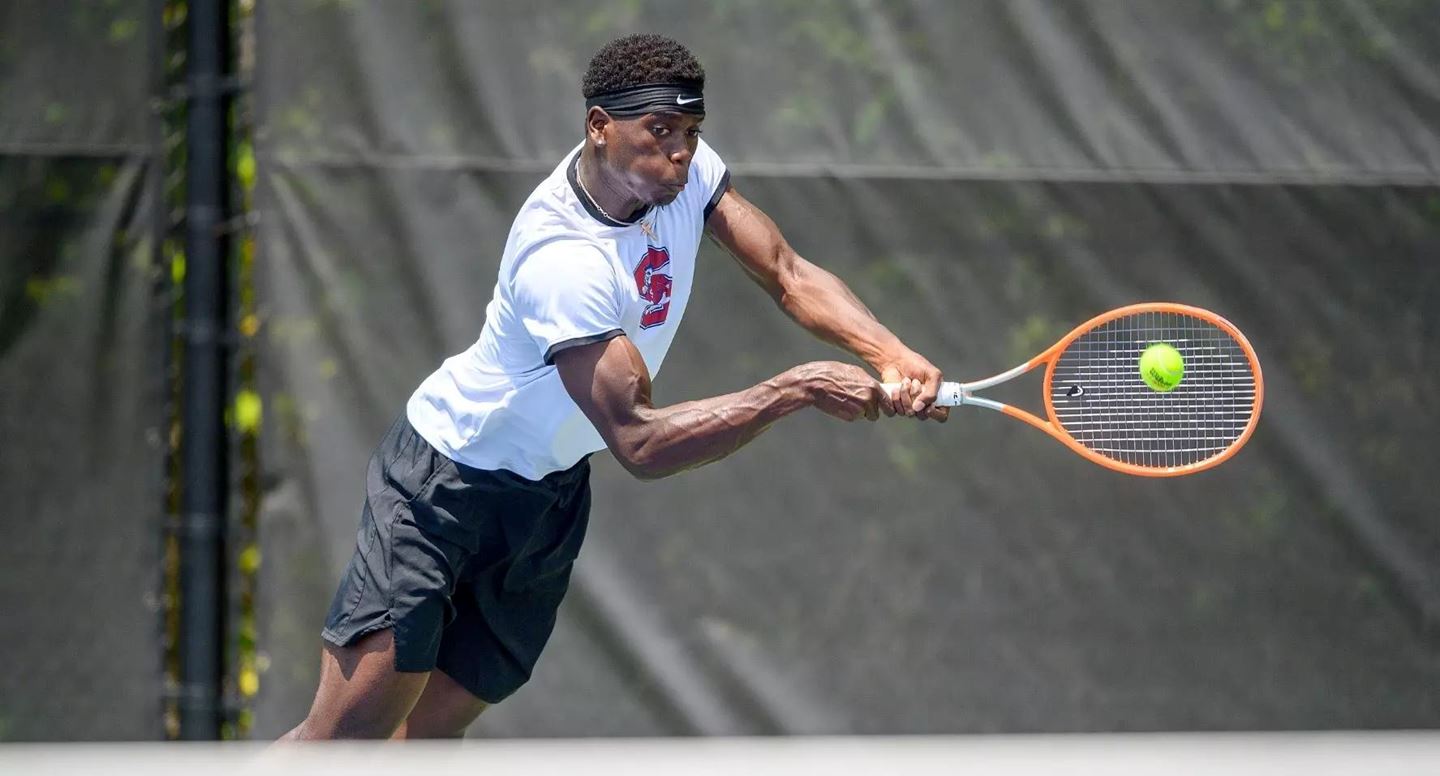
The dominance continues for South Carolina State University, and right now, the Bulldogs look like the team to beat in the MEAC.
With a commanding 6-1 victory over Norfolk State, SC State kept its conference record spotless, improving to 4-0 in MEAC play while building momentum at the perfect time in the season.
From the opening serve, the Bulldogs set the tone.
SC State swept all three doubles matches to grab early control, showcasing chemistry and depth across the lineup. The pairs of Mikalai Bankou and Novak Novakovic, along with Iliyas Muratuly and Andrii Borodatiuk, delivered decisive wins, while the third doubles team closed things out in a tight finish.
That early momentum carried straight into singles—and that’s where the Bulldogs slammed the door.
SC State captured five of six singles matches, with standout performances across the board. Bankou and Novakovic handled business in straight sets at the top of the lineup, while Borodatiuk, Gabriel Johnson, and Hoang Anh Pham each added dominant wins to secure the team victory.
The result? A team that isn’t just winning—but controlling matches from start to finish.
Now sitting at 9-6 overall, SC State has turned conference play into a statement run, blending experienced leadership with lineup depth that few teams in the MEAC can match.
With the regular season winding down and postseason play on the horizon, the message is clear:
The Bulldogs aren’t chasing the top spot—they’re defending it.
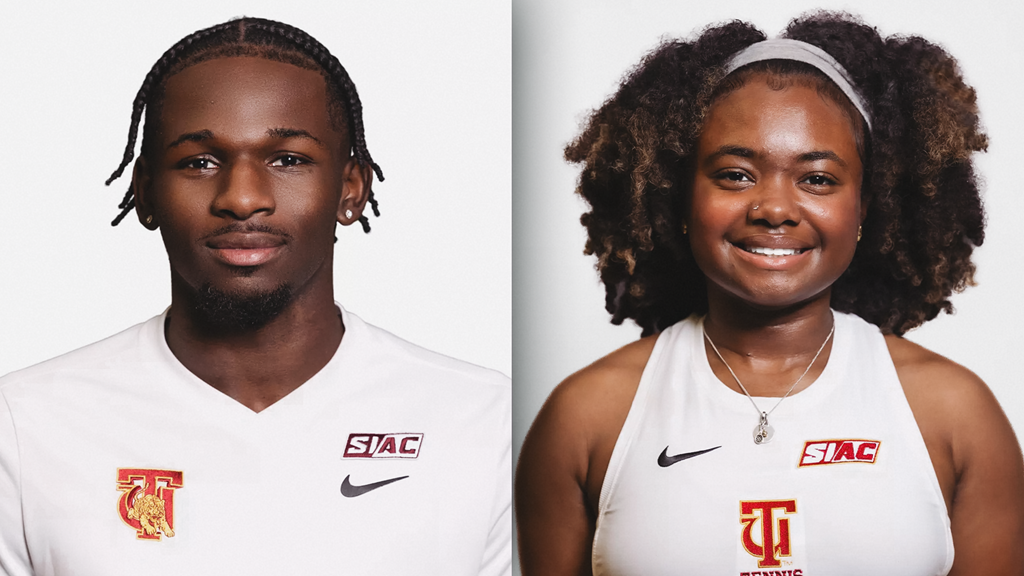
The Southern Intercollegiate Athletic Conference spotlighted excellence on the court this week, and Tuskegee University made one thing clear—its tennis programs are rolling at full strength.
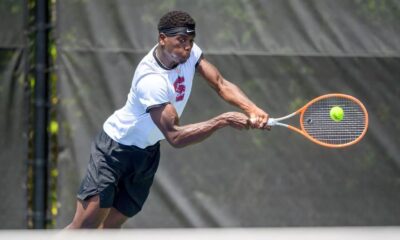
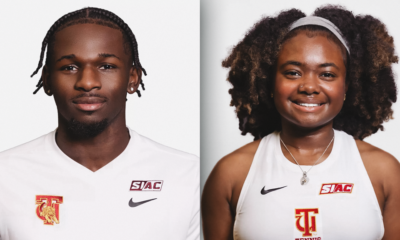
Leading the charge on the men’s side, Kevin Wright delivered a complete performance during the SIAC Roundup, proving to be one of the most versatile players in the conference. Competing across both singles and doubles, Wright helped power Tuskegee to a 4-2 week and a second-place conference finish (9-3).
Whether it was clutch doubles wins or dominant straight-set victories in singles, Wright consistently showed up in key moments—helping secure critical team points and closing out matches with confidence. His ability to impact the game from multiple positions continues to elevate Tuskegee’s lineup heading into the final stretch.
On the women’s side, Taylor Ford was simply untouchable.
The senior standout led Tuskegee to a perfect 6-0 week, finishing the SIAC regular season with an undefeated 12-0 conference record—a milestone not achieved by the program in over two decades.
Ford dominated singles play with a flawless record, controlling matches from start to finish and rarely giving opponents an opportunity to respond. Her consistent straight-set victories and steady presence helped set the tone for a team that never let up throughout the week.
Beyond singles, her contributions in doubles play helped Tuskegee secure early momentum in matches, reinforcing the depth and discipline that define this squad.
As postseason play approaches, Tuskegee’s sweep of the weekly honors sends a clear message—the Golden Tigers aren’t just competing, they’re setting the standard across the SIAC.
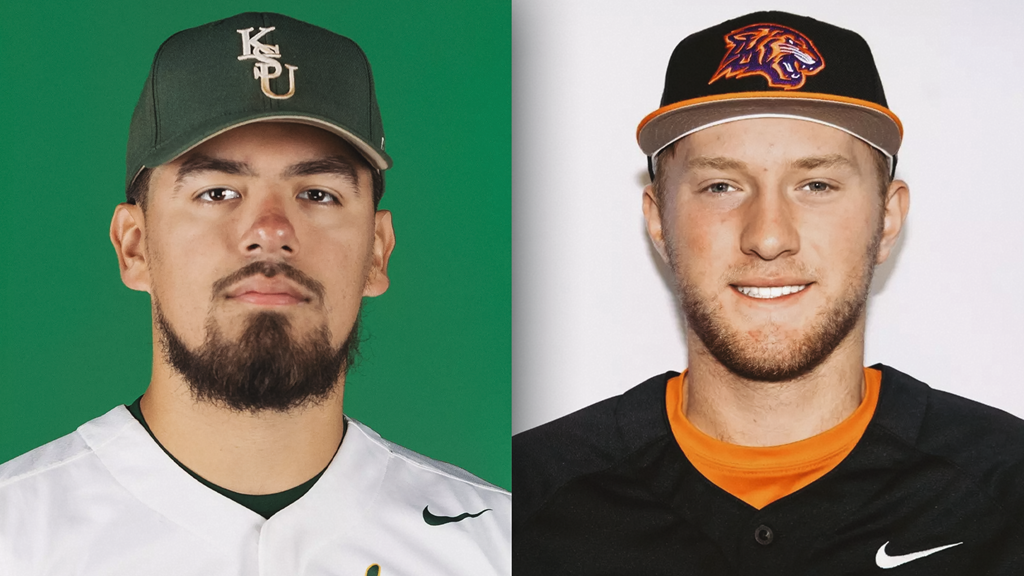
The Southern Intercollegiate Athletic Conference delivered another week of standout performances on the diamond, highlighted by explosive offense and dominant pitching as the SIAC Baseball Players of the Week were announced.
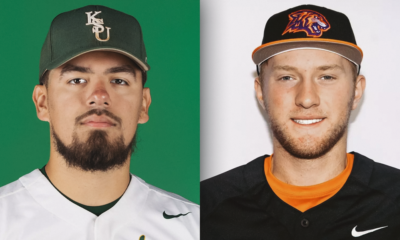
Leading the headlines is Kentucky State’s Ryan Campbell, who turned in one of the most jaw-dropping performances of the season. In a single game, Campbell erupted for four home runs, eight RBIs, and five runs scored, finishing just one homer shy of an NCAA all-time record.
The historic outing came during a high-scoring matchup that also ranked among the top games in NCAA Division II history for combined hits, underscoring just how electric the moment was. Campbell didn’t stop there—he stayed locked in throughout the series, batting .500 (7-for-14) and continuing to anchor Kentucky State’s offense.
On the mound, Edward Waters’ Tyler Pfirrmann delivered a performance just as impressive—only quieter. The junior right-hander controlled the game with precision, tossing seven shutout innings while allowing just five hits and striking out eight in a win over Miles College.
Pfirrmann’s outing wasn’t just dominant—it was consistent with a season that has positioned him as one of the conference’s most reliable arms. With the victory, he improved to 7-1 on the year, continuing to build a résumé that demands attention across the SIAC.
As conference play intensifies, performances like these are setting the tone. Campbell’s power surge and Pfirrmann’s command on the mound reflect the depth of talent across HBCU baseball—and signal that the race for postseason positioning is only heating up.
-
 HBCU ORIGINAL1 month ago
SUNO Wins First Conference Title Since 2012
-
 HBCU ORIGINAL1 month ago
Morehouse Captures SIAC Championship, Tops Tuskegee 66–56
-
 HBCU ORIGINAL1 month ago
Tennessee State Ends 30-Year Wait, Dominates Morehead State for 2026 OVC Title
-
 HBCU ORIGINAL1 month ago
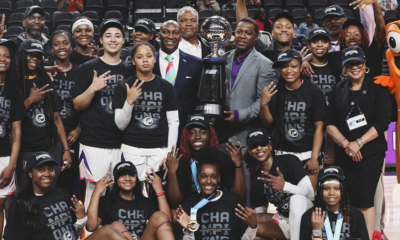
Miles Lady Bears Complete Historic Three-Peat with SIAC Tournament Victory
-
 HBCU ORIGINAL4 weeks ago
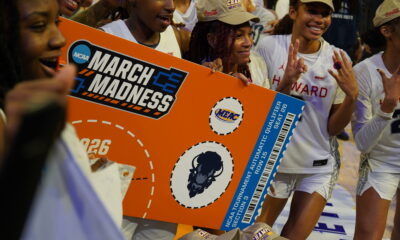
Howard Women Capture MEAC Championship, Defeat Norfolk State 53–46
-
 HBCU ORIGINAL1 month ago
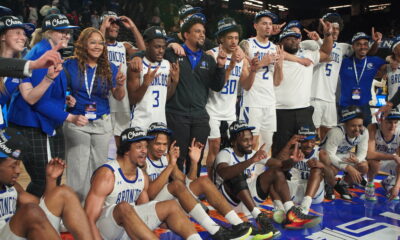
Fayetteville State Rallies Late to Capture 2026 CIAA Men’s Basketball Championship
-
 HBCU ORIGINAL4 weeks ago
🏀 Broncos’ Season Ends in NCAA Regional Loss Despite Double-Double Performances
-
 HBCU ORIGINAL4 weeks ago
🏀 Lady Rams Fall in Heartbreaker in Atlantic Regional Championship