


Connect with us

Campus

Mayor Adams, Chancellor Avilés-Ramos Welcome Students at NYC’s First HBCU Early College Prep High School

HBCU ORIGINAL

Published

on

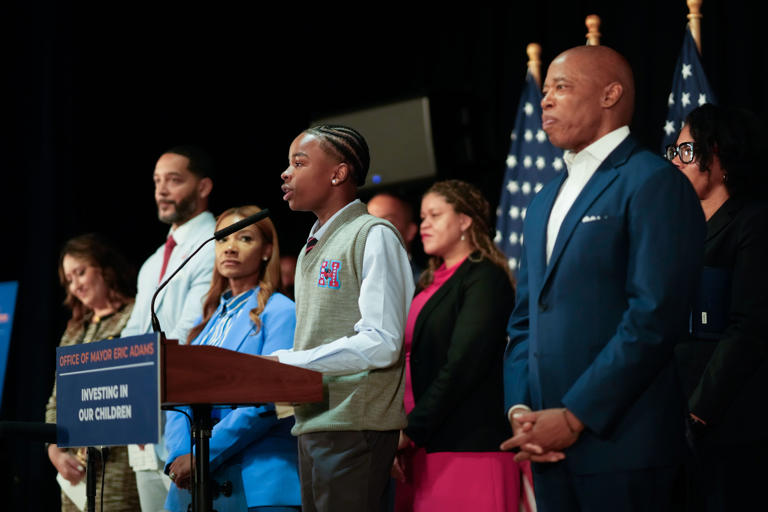
On Thursday morning, Mayor Eric Adams and Schools Chancellor Melissa Avilés-Ramos welcomed the start of a new school year by joining nearly one million New York City students and staff in celebration. The day began with a ribbon-cutting ceremony at the city’s first Historically Black Colleges and Universities (HBCU) Early College Prep High School, located at 88-15 182nd Street in Jamaica, Queens.

The new, tuition-free high school is the first of its kind in New York City. In partnership with Delaware State University, an HBCU, students can earn up to 64 college credits toward an associate degree in Liberal Arts while completing their high school studies.

The September 4 opening marked a milestone moment for the city’s public schools. More than 100 ninth graders made up the inaugural class, greeted with performances and words of encouragement. Mayor Adams highlighted the historic opening as part of a larger vision to strengthen educational opportunities across the five boroughs.

“We are ringing in the school year with more investments to prepare our students for bold futures,” said Mayor Adams. “Today, we’re opening seven new schools, including the first HBCU Early College Prep High School, expanding programs for students with autism, creating 5,000 new after-school seats, and so much more to invest in our students and families.”

Led by founding principal and HBCU alumna Dr. Asya Johnson, the school’s model is inspired by the traditions and culture of HBCUs. Students will not only take college-level courses but also experience signature events such as Greek life activities, Founder’s Day celebrations, Mr. and Miss Freshman competitions, and Homecoming.

Chancellor Avilés-Ramos, who also celebrated her own daughter’s first day of middle school, reflected on the responsibility schools hold for families across the city.

“The first day of school is my favorite day of the year,” she said. “Families place tremendous trust in us with their most precious gifts—their children. That’s why we are committed to delivering a world-class education that prepares every student for success.”

This year also brings major citywide initiatives, including the rollout of a new cell phone and electronic device policy, designed to minimize distractions and improve learning environments. NYC Reads and NYC Solves—programs focused on literacy and problem-solving—will expand to 186 additional schools.

“We’ve opened seven new, innovative schools, launched a device policy that will foster focus in the classroom, and expanded programs that have already shown incredible success,” Avilés-Ramos added. “I am proud to lead this system and excited to see our students thrive throughout the year.”

With more than 1,600 schools serving diverse communities, New York City Public Schools remain focused on innovation, inclusivity, and academic excellence—ensuring every student is prepared for college, career, and life.

We are dedicated to celebrating the rich history, vibrant culture, and enduring legacy of Historical Black Colleges and Universities (HBCUs). Our mission is to provide a platform that honors the invaluable contributions of HBCUs to higher education, social justice, and community empowerment. Through insightful articles, engaging narratives, and meaningful dialogue, we strive to amplify the voices, experiences, and achievements within the HBCU community. By fostering awareness, appreciation, and support for HBCUs, we aspire to inspire current and future generations to pursue excellence, equity, and inclusivity in education and beyond.

Alumni Impact

Alabama State University and Morris Brown College Forge New Graduate Education Pathway

HBCU ORIGINAL

Published

on

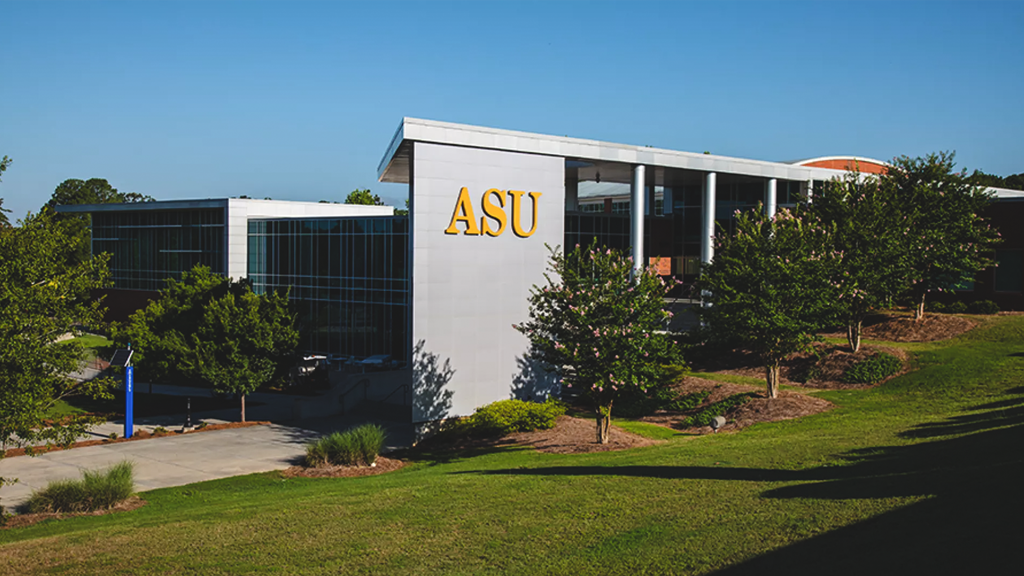
MONTGOMERY, Ala. — In a move that highlights the continued spirit of collaboration among Historically Black Colleges and Universities, Alabama State University (ASU) and Morris Brown College have officially entered into a new partnership designed to expand educational opportunities for students seeking advanced degrees.

The two institutions signed a Memorandum of Understanding (MOU) on June 16, 2026, at Alabama State University’s historic campus in Montgomery, Alabama. The agreement creates a direct pathway for Morris Brown College graduates to apply for admission into Alabama State University’s graduate degree programs, including several online offerings.

University leaders say the partnership reflects a shared commitment to increasing access to higher education while preparing the next generation of professionals, educators, and community leaders.

“Historically Black colleges and universities have long worked together to create opportunities that transform lives and strengthen communities,” said Alabama State University President Dr. Quinton T. Ross Jr. “As an institution founded to educate and prepare teachers, this partnership brings us full circle. Joining with Morris Brown College to continue that legacy makes this collaboration especially meaningful.”

The agreement is expected to create new opportunities for Morris Brown graduates seeking advanced degrees, particularly in the field of education. Alabama State University’s College of Education will play a key role in supporting students as they continue their academic journeys.

Dean Anthony Broughton emphasized the importance of the collaboration in addressing future workforce needs.

“This partnership with Morris Brown College represents our shared commitment to student achievement and to creating pathways that support educational and professional advancement,” Broughton said. “We are excited to welcome and support Morris Brown students as they pursue careers in education and help strengthen the teaching workforce for generations to come.”

The signing ceremony brought together ASU President Dr. Quinton T. Ross Jr. and Morris Brown College President Dr. Kevin E. James, symbolizing the growing cooperation among HBCUs dedicated to student success and institutional advancement.

As HBCUs continue to innovate and build strategic partnerships, this agreement serves as another example of how Black colleges are working together to create opportunities that extend beyond graduation. The collaboration not only strengthens academic pathways but also reinforces the historic mission of HBCUs to uplift communities through education, leadership, and service.

HBCU Original Magazine will continue to follow this partnership and its impact on students across both institutions.

Continue Reading

Campus

Twin Sisters Make History as Valedictorian and Salutatorian at Cheyney University

HBCU ORIGINAL

Published

on

Tia and Jasmin Criss, twin sisters from Philadelphia, have made history at Cheyney University, graduating as valedictorian and salutatorian at the nation’s oldest HBCU.

The sisters reached the top two academic honors together, marking a rare and inspiring achievement for both their family and the university community. Their accomplishment highlights years of academic discipline, leadership, and consistency throughout their college journey.

Cheyney University, founded in 1837, holds the distinction of being the oldest HBCU in the United States, making the Criss sisters’ achievement even more meaningful within a historic academic setting.

Their story has drawn attention for not only their academic excellence, but also the unique moment of twin siblings simultaneously earning the top two graduating honors at a single institution.

Continue Reading

Campus

The Sound of the Yard: The Legacy of HBCU Marching Bands

HBCU ORIGINAL

Published

on

When the drums start rolling and the brass section blasts the first note, something magical happens — the crowd rises, feet start stomping, and the stadium becomes a stage. That’s the power of HBCU marching bands — the lifeblood of the yard and the heartbeat of Black college pride.

Across the country, these bands have redefined what it means to perform. It’s not just about music — it’s about precision, power, and pride. Each halftime show tells a story of community, culture, and creative excellence that stretches from the campus yard to the world stage.

Legendary programs like The Human Jukebox of Southern University and The Sonic Boom of the South from Jackson State University have set the tone for decades, known for their dynamic choreography and iconic sound. The Marching 100 of Florida A&M University revolutionized marching band performance with intricate formations and high-energy brass arrangements, influencing college and high school bands globally.

But they’re not alone in this legacy.

  • The Ocean of Soul (Texas Southern University) brings unmatched groove and funk to every performance.

  • The Aristocrat of Bands (Tennessee State University) made history as the first HBCU band to win a GRAMMY Award in 2023 for “The Urban Hymnal.”

  • The Blue and Gold Marching Machine (North Carolina A&T State University) blends traditional sound with modern flair, leading parades like the Macy’s Thanksgiving Day Parade.

  • The Marching Storm (Prairie View A&M University) commands attention with style and showmanship, competing toe-to-toe with any major college program.

  • The Spartan Legion (Norfolk State University) continues to uphold the proud musical traditions of the MEAC and SWAC.

  • The Marching Maroon & White (Alabama A&M University) exemplifies disciplined performance and HBCU pride.

Additional extraordinary programs include:

  • The Trojan Explosion (Virginia State University) — high-energy performances with innovative formations.

  • The Red Sea of Sound (Winston-Salem State University) — signature style and powerful brass arrangements.

  • The Symphony of Soul (Bowie State University) — blending soulful melodies with marching precision.

  • The Marching Force (Hampton University) — a legacy of excellence on every field.

  • Showtime Band (Howard University) — dynamic, creative, and nationally recognized performances.

  • Sound Machine (North Carolina Central University) — a staple of modern HBCU band excellence.

From local parades to the Honda Battle of the Bands, HBCU bands bring an experience that transcends entertainment — it’s cultural storytelling through sound.

Their influence has reached far beyond the yard — from collaborations with Beyoncé’s Homecoming to halftime shows at the Super Bowl. These bands symbolize the discipline, excellence, and creativity that define HBCU culture.

For the students who march, every note is a tribute — to their ancestors, their schools, and the legacy they represent. The sound of the yard will always be more than music — it’s the soul of the HBCU experience.

#HBCUOriginal | #TheSoundOfTheYard | #BlackCollegeCulture | #HBCUBands
📺 Visit HBCUOriginal.com | 🎥 Watch more at YouTube.com/@THEHBCUORIGINAL

Continue Reading

Campus

The Capitol Battle of the Bands 2025

HBCU ORIGINAL

Published

on

Hosted by High Stepping Nationals | SECU Stadium – College Park, Maryland

The air in College Park was thick with rhythm, pride, and school spirit as the Capitol Battle of the Bands took over SECU Stadium. Hosted by High Stepping Nationals, this electrifying event brought together some of the most dynamic marching bands, drumlines, and spirit teams in the country — all under one roof, all for one culture.

From the first booming drumbeat to the final blast of brass, the stands shook with energy as crowds from across the East Coast gathered to witness HBCU greatness and local high school talent take center stage.

🎶 The Lineup

The field was blessed by the presence of elite bands including:

  • Norfolk State University Spartan Legion

  • North Carolina A&T Blue & Gold Marching Machine

  • Virginia State University Trojan Explosion

  • Winston-Salem State University Red Sea of Sound

  • Bowie State University Symphony of Soul

  • Hampton University Marching Force

  • Howard University Showtime Band

  • North Carolina Central University Sound Machine

  • PGCPS High School Pride, representing the best young talent across Prince George’s County


Each band brought their own flavor — from show-stopping arrangements and precision drills to heart-thumping drumline battles that left the crowd roaring.

💃🏽 The Spirit of the South

The cheerleaders, flag teams, and dance squads elevated the night with unmatched grace and attitude. From the Hampton Force dancers to the WSSU cheerleaders strutting into the stadium, every move reminded the audience that style, pride, and culture are at the heart of every performance.

🥁 The Drumline Faceoff

When Virginia State’s Trojan Explosion Drumline met Norfolk State’s Spartan Legion Drumline on the field, the night hit another level. Beats collided, sticks flew, and the energy was pure adrenaline. This was not just a battle — it was a statement.

🌟 PGCPS Pride

Representing Maryland’s future stars, the PGCPS High School Pride Ensemble showcased young musicians who are already marching toward excellence. Their performance was a reminder that the HBCU legacy is alive and growing strong in local schools.

🎥 Watch the Full Experience

Missed the live show? Don’t worry — you can relive every moment, every note, every move.

📺 Full Highlights: Watch now on YouTube – HBCU Original
🎬 YouTube Channel: @THEHBCUORIGINAL

Continue Reading

Campus

Tomorrow’s Leaders, Today’s Tech: How HBCUs are Shaping the Future

HBCU ORIGINAL

Published

on

HBCUs Tech Forward: Innovating Tradition for 2025 and Beyond

Historically Black Colleges and Universities (HBCUs) are steeped in rich history and enduring traditions, but make no mistake: these institutions are anything but stuck in the past. Today, HBCUs are vigorously embracing the future, strategically integrating cutting-edge technology into every facet of academic life, research, and campus operations. Far from compromising their unique cultural heritage, they are demonstrating how to blend tradition with innovation seamlessly, preparing students to lead in an increasingly digital world.

From virtual learning platforms that expand access and flexibility to advanced STEM programs pushing the boundaries of discovery, HBCUs are re-envisioning what modern education looks like. They are not just adopting technology; they are actively shaping its future and ensuring their students are at the forefront.

Leading the Charge: HBCUs Embracing Technology

Several HBCUs are standing out for their commitment to technological advancement:

  • North Carolina A&T State University: A national leader in engineering and STEM fields, NC A&T is known for its robust research programs, including those in cybersecurity, advanced manufacturing, and renewable energy. Their students are actively involved in cutting-edge projects, often in partnership with industry leaders, positioning them for high-demand careers.
  • Spelman College: While rooted in liberal arts, Spelman has made significant strides in STEM, offering strong programs in computer science, data science, and health sciences. They are fostering an environment where Black women excel in tech, encouraging innovation through initiatives like their “Spelman College Center of Excellence for Minority Women in STEM.”
  • Howard University: As a top-tier research institution, Howard is continually expanding its technological footprint. From its pioneering work in artificial intelligence and machine learning to robust digital media programs, Howard prepares students to be innovators and ethical leaders in the tech space. They are also leveraging technology to enhance remote learning capabilities and collaborative research across departments.
  • Florida A&M University (FAMU): FAMU is making significant investments in its STEM infrastructure, with a strong focus on programs in information technology, environmental engineering, and pharmaceutical sciences. Their commitment to technological literacy ensures that graduates are well-equipped for diverse professional paths, often integrating practical, hands-on experience with theoretical knowledge.

These institutions, and many others, are equipping students with the critical skills needed for tomorrow’s workforce – from coding and data analytics to digital storytelling and biotechnological innovation. At the same time, HBCUs meticulously maintain their vibrant cultural traditions, ensuring students experience the best of both worlds: a deep connection to their heritage alongside preparation for a technologically advanced future.

Conclusion:

Innovation and tradition are not opposing forces at HBCUs; they are complementary strengths. By wholeheartedly embracing technology while profoundly honoring their rich history and cultural identity, these institutions are preparing students not just to adapt to a rapidly changing world, but to actively shape it. HBCUs are setting a powerful standard for what modern, culturally responsive, and future-focused education truly means.

Continue Reading

Trending Now