
Events
💰 Dorm Room Deep Dive: The True Cost of the HBCU Experience


The choice to attend a Historically Black College and University is an investment in legacy, culture, and career trajectory. But for thousands of students and their families, the cost of that legacy comes with a profound financial strain, translating into high debt and a constant hustle.
This is a look beyond the sticker price, examining the Dorm Room Deep Dive into the economics of student life and the rising cost of the most essential American investment.
The Net Price Gap: Where the Financial Aid Stops
The most critical figure in an HBCU student’s financial life is not the tuition—it’s the net price, the amount remaining after all grants and scholarships are applied. For students at Historically Black Colleges and Universities, that gap is larger and more persistent than almost anywhere else.
Key Facts: The Affordability Challenge
| Financial Metric | HBCU Student Reality | Context & Impact |
| Unmet Need | Black students face the highest average unmet financial need, often exceeding $9,000 annually. | This is the gap students must close with loans, family contributions, or income. |
| Debt Burden | 86% of HBCU graduates leave with student loan debt. | The median debt at graduation is over $34,000. |
| The Wealth Gap | Four years after graduation, Black borrowers owe, on average, $25,000 more than their White peers. | This disparity is due to lower family wealth, slower repayment, and often greater borrowing for graduate school. |
While institutional and federal grant aid is robust—with over 85% of HBCU undergraduates receiving some form of grant assistance—the aid simply hasn’t kept pace with the comprehensive cost of attendance.
📈 2025-2026: Cost Projections and the Rising Tide
For the 2025-2026 academic year, the average total Cost of Attendance (COA) for an HBCU student living on campus is projected to fall in the range of $32,000 to $35,000, with many private institutions exceeding $55,000.
This rise is driven not just by tuition, but by escalating prices across the board.
The “Hidden Inflation” of College Life
The yearly tuition hike, often projected around 3.5% to 4.0% for the upcoming year, is only part of the equation. Students are getting hit hardest by non-tuition costs:
-
Mandatory Fees: Fees for technology, health services, and campus facility debt are rising faster than tuition. A student might see a flat tuition rate but a 10% jump in their “Student Services Fee” that is non-negotiable.
-
Room and Board: Housing costs are increasing due to construction, maintenance, and utility expenses. This often includes mandatory meal plans—a fixed cost that may not fully align with the student’s actual weekly grocery or dining budget.
-
Textbooks and Course Materials: Despite the shift to digital, the cost for access codes and specialized online materials can easily top $1,500 annually, draining financial aid refunds long before the semester ends.
-
Transportation and Loan Fees: An often-overlooked cost is the expense of traveling to and from campus. Furthermore, the small but mandatory loan origination fees on federal loans mean students often receive less than the amount they actually borrowed.
The Future Price Tag
If costs continue to rise at an average annual rate of 3.25%, a student entering an HBCU in 2025 with a $35,000 COA would face a cumulative four-year sticker price of over $147,000 by graduation in 2029. This is the staggering financial trajectory that underpins every student’s academic planning.
🤝 The Lifelines: Funding Your Future & Lessening the Blow
While the costs are daunting, there are powerful financial lifelines available to HBCU students that can significantly reduce the need for high-interest private loans. Success requires proactive planning and a deep dive into targeted resources.
Targeted Resources for HBCU Students
| Resource Type | Key Programs & Organizations | How They Help |
| Federal Government | FAFSA (Free Application for Federal Student Aid), Pell Grant (up to $\sim$7,395 for 2025-26), Federal Work-Study | Provides the foundational need-based aid. Pell Grants are crucial “free money” that does not have to be repaid. |
| HBCU Affiliates | UNCF (United Negro College Fund), TMCF (Thurgood Marshall College Fund) | These organizations offer hundreds of scholarships specifically for students attending their member institutions, often sponsored by major corporations (e.g., Apple, Google, Lowe’s). |
| State Grants | State-Specific Aid (e.g., Georgia’s HOPE, Ohio College Opportunity Grant) | Many states offer grants that are often tied to in-state enrollment and financial need. Check your state’s Department of Higher Education website. |
| Innovative Aid | Student Freedom Initiative | A non-profit offering an income-contingent funding alternative, particularly for STEM majors at Minority Serving Institutions, reducing reliance on traditional loans. |
| Private/Need-Based | Ron Brown Scholarship, ABOUT LOVE Scholarship, NAACP Scholarships | Large, competitive scholarships that target high-achieving, community-focused, and financially disadvantaged students. |
Practical Strategies to Reduce the Blow
-
Maximize “Free” Money: Apply for every external scholarship possible, focusing on awards specific to your major, state, or community involvement. Do not rely solely on your institution’s aid package.
-
Cut Textbook Costs with OER: Before buying new textbooks, check if your campus or department participates in Open Educational Resources (OER) initiatives, which provide free, openly licensed digital course materials. This can save hundreds per semester.
-
Leverage Institutional Discounts: Research which HBCUs offer universal in-state tuition rates or tuition waivers for specific student demographics (e.g., in-state students, high-achieving transfer students).
-
Work-Study First: If you must work, prioritize Federal Work-Study positions. These are subsidized by the government, meaning the university’s budget is less strained, and the earnings don’t count against your FAFSA eligibility for the following year.
-
Audit Your Fees: When reviewing your bill, question any non-essential fees (e.g., expensive parking passes, optional insurance). Every dollar saved against the non-tuition cost is a dollar that doesn’t become future debt.
✊ The Campus Side Hustle: Economy of Resilience
With a $9,000 average unmet need hovering over their heads, HBCU students have become masters of the “side hustle” economy, leveraging the unique cultural environment of the campus to generate income.
This is a necessary culture of entrepreneurial resilience, where skills are currency:
-
The Beauty & Styling Network: A student with braiding or barbering skills can generate hundreds of dollars per week, with prices spiking during major events like Homecoming. This is income used directly for rent, car notes, or to pay down a tuition balance.
-
The Food & Delivery Gap: Beyond national delivery apps, students often run micro-businesses selling homemade food (plates, snacks, or Sunday dinners) out of their apartments or dorms, using the dense campus environment as a ready market.
-
Academic Services: Students with a high GPA can earn money as tutors or by preparing intensive study guides for challenging courses.
This constant push to earn ensures cultural participation and personal solvency, but it comes at a cost: time. Every hour spent hustling is an hour taken away from studying, networking, or sleep, creating a heavy burden of academic and financial stress that is part of the modern HBCU reality.
The value of the HBCU experience—the incomparable network, the sense of community, and the unparalleled professional launchpad—is undeniable. But to access that value, the average student must first conquer a formidable financial mountain. The Dorm Room Deep Dive confirms that the Black college experience is not just an academic journey; it is a profound lesson in economic resilience.
🔗 The Lifelines: Essential Financial Aid Resources
For students and families navigating the financial challenges of the HBCU experience, these organizations offer critical financial aid, scholarships, and innovative funding solutions.
| Resource | Organization | Direct Link |
| Federal Aid | Free Application for Federal Student Aid (FAFSA) | https://studentaid.gov/h/apply-for-aid/fafsa |
| HBCU Affiliate | United Negro College Fund (UNCF) Scholarships | https://uncf.org/scholarships |
| HBCU Affiliate | Thurgood Marshall College Fund (TMCF) Scholarships | https://tmcf.org/students/explore-scholarships-programs/ |
| Innovative Funding | Student Freedom Initiative (SFI) | https://studentfreedominitiative.org/sfi-program/ |
| Private Scholarship | Ron Brown Scholar Program | https://ronbrown.org/rbs-login/ |
| Private Scholarship | Shawn Carter Foundation (formerly ABOUT LOVE) | https://shawncartersf.com/scholarship/ |
| Non-Profit Aid | NAACP Scholarships | https://naacp.org/find-resources/scholarships-awards-internships/scholarships |
| Cost Strategy | U.S. Department of Education: OER Resources | (Link to general Open Educational Resources search can be added here if desired) |





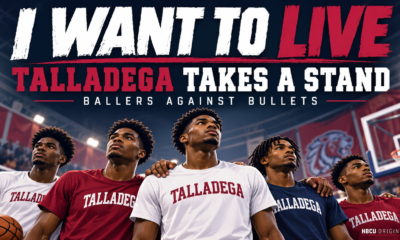


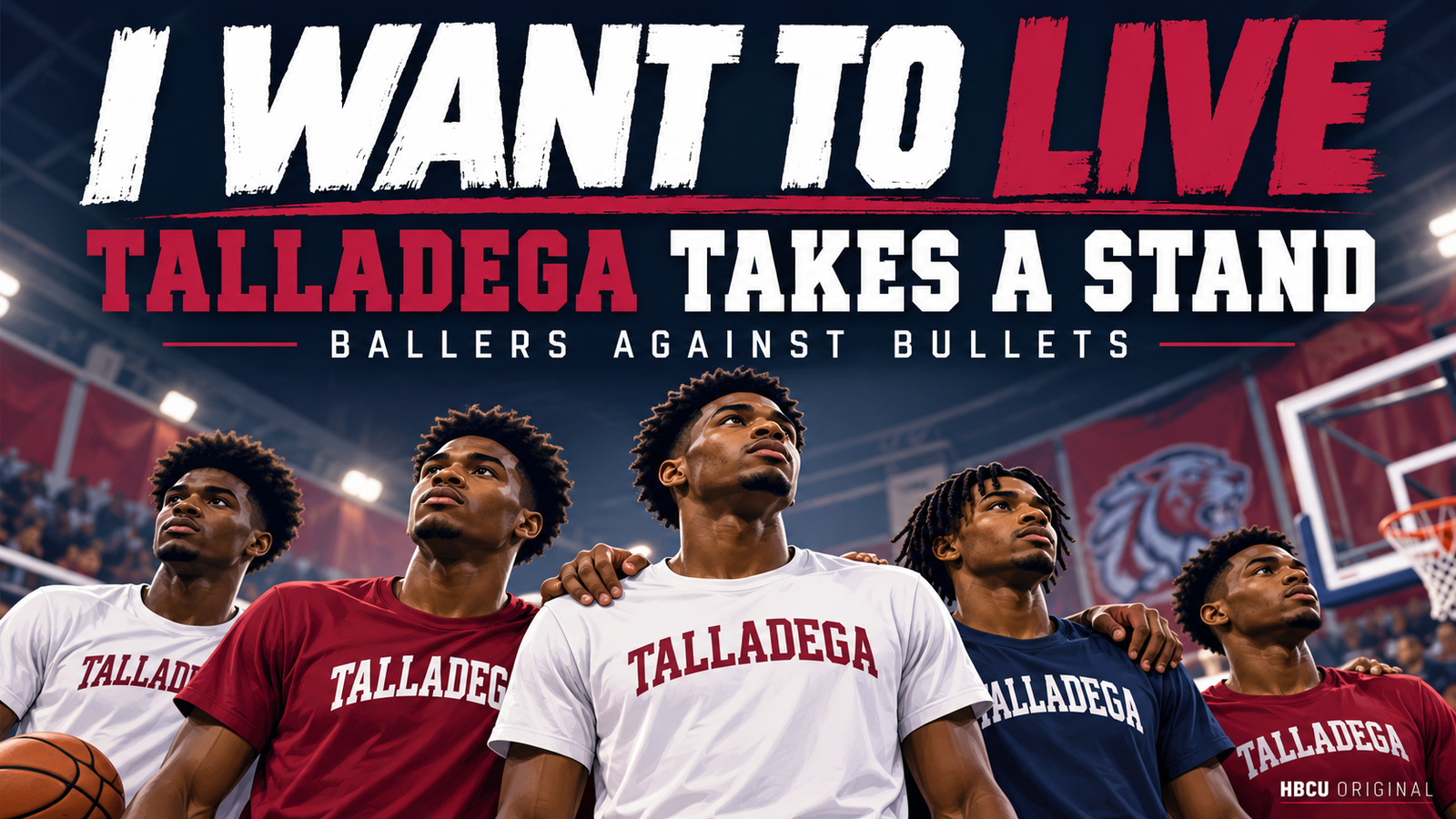
Talladega College Athletics Joins Ballers Against Bullets to Promote I WANT TO LIVE Campaign
Student athletes are using their platform to support gun violence prevention and encourage safer communities.
TALLADEGA, Ala. Before the final score could tell the story, Talladega College’s junior varsity men’s basketball team delivered a message about something bigger than the game.
The team opened its season against Snead State Community College on October 26 wearing shirts that read I WANT TO LIVE, introducing a partnership between Talladega College Athletics and the Agency for Substance Abuse Prevention through its Ballers Against Bullets initiative.
The effort will extend beyond the basketball season opener. Talladega’s athletic teams plan to wear the campaign’s apparel at games throughout the academic year, bringing a message of safety and violence prevention to students, fans, and surrounding communities.
According to the announcement, the partnership follows recent fatal shootings in the local community. Through their participation, Talladega student athletes are calling attention to the impact of gun violence and encouraging young people to protect their lives and futures.
Ballers Against Bullets brings together athletes, barbers, entertainers, educators, and community leaders to promote responsible decisions and prevent gun misuse. The I WANT TO LIVE campaign carries that message through sports, fashion, music, and youth culture.
For Talladega, the partnership creates an opportunity to connect athletic competition with community involvement. Players can reach other young people who recognize them as teammates, classmates, friends, and role models.
Talladega College Athletics also recognized the basketball team’s participation on social media, reinforcing the campaign’s focus on the value of student athletes’ lives and the need for safer communities.
The effort reflects the longstanding connection between HBCUs and community leadership. By bringing prevention messages into its athletic programs, Talladega is giving students a visible role in addressing concerns that reach beyond campus.
As Ballers Against Bullets works to connect with more colleges and universities, Talladega’s participation offers an example of how athletic departments can help carry the message throughout the school year.
The Alabama based Agency for Substance Abuse Prevention leads the initiative as part of its work in community education and prevention. Through this partnership, a shirt worn before a basketball game becomes an invitation to keep the conversation going about safety, responsibility, and the futures young people deserve.
Tags: Talladega College, Talladega College Athletics, Ballers Against Bullets, I WANT TO LIVE, Agency for Substance Abuse Prevention, HBCU News, HBCU Sports, HBCU Original, Gun Violence Prevention, Student Athletes, Community Safety, Youth Advocacy, College Basketball, Talladega Alabama
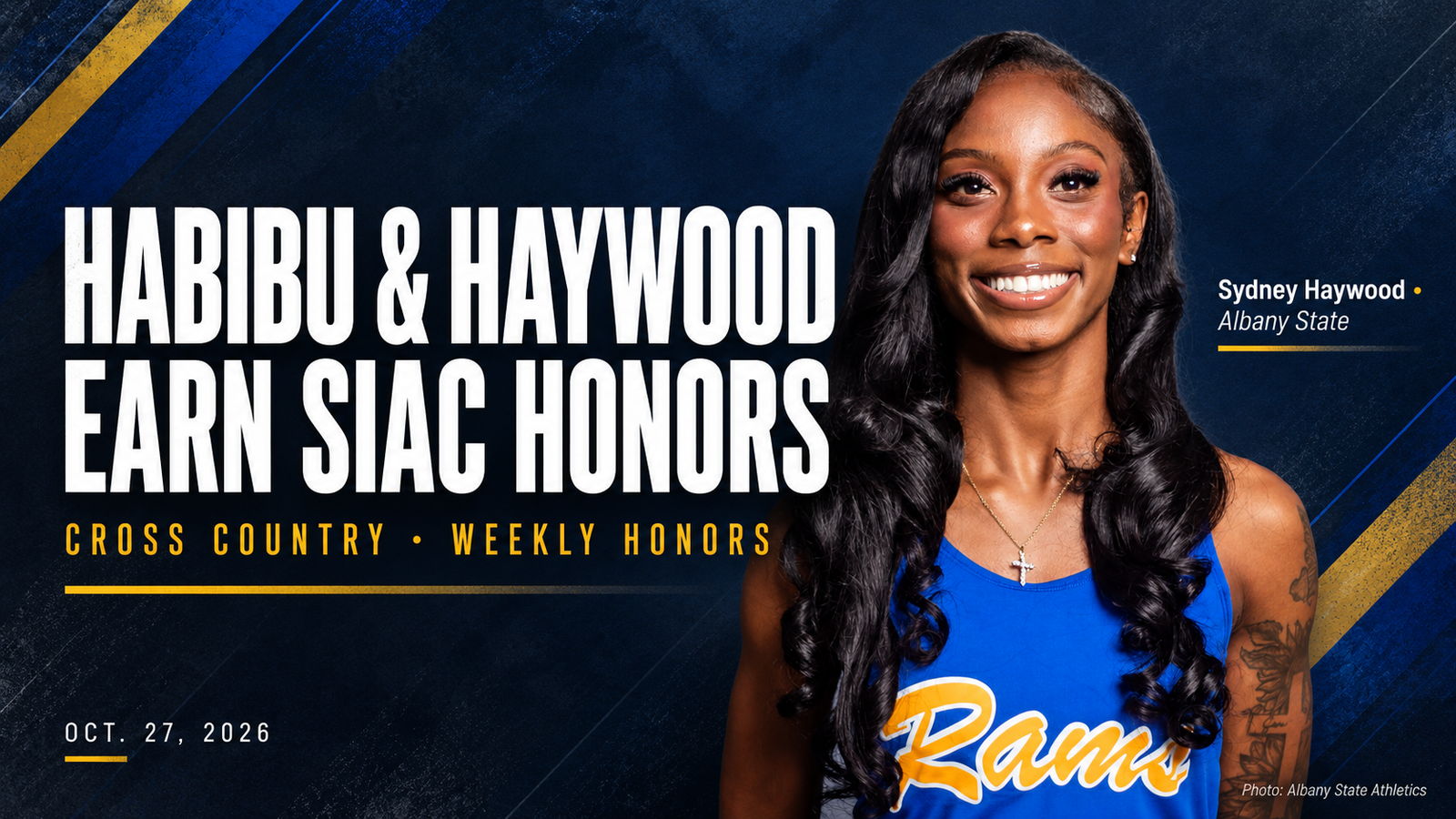
Allen’s Habibu, Albany State’s Haywood Earn SIAC Cross Country Honors
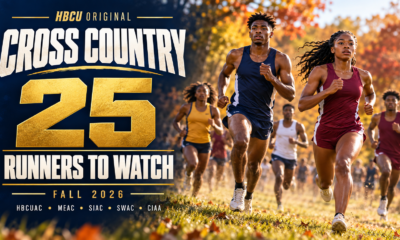
ATLANTA — A school record for Allen’s Salisu Habibu and a personal best for Albany State’s Sydney Haywood earned the runners SIAC cross country recognition Oct. 27.
Habibu claimed Men’s Runner of the Week after completing an 8-kilometer race in 25:44, lowering his own Allen record. The junior finished second among 112 runners and helped the Yellow Jackets place seventh in a 16-team field.
Allen posted a team average of 28:42 in what the conference described as a program-best performance.
Haywood received Women’s Runner of the Week following the UAH Chargers XC Invitational on Oct. 24 in Huntsville, Alabama. She covered the 6-kilometer course in 23:30.8, improving her previous best of 24:36.5 by more than a minute.
The sophomore finished 177th overall and was Albany State’s third runner across the line. Her performance contributed to the fastest team 6K finish in school history, according to the conference.
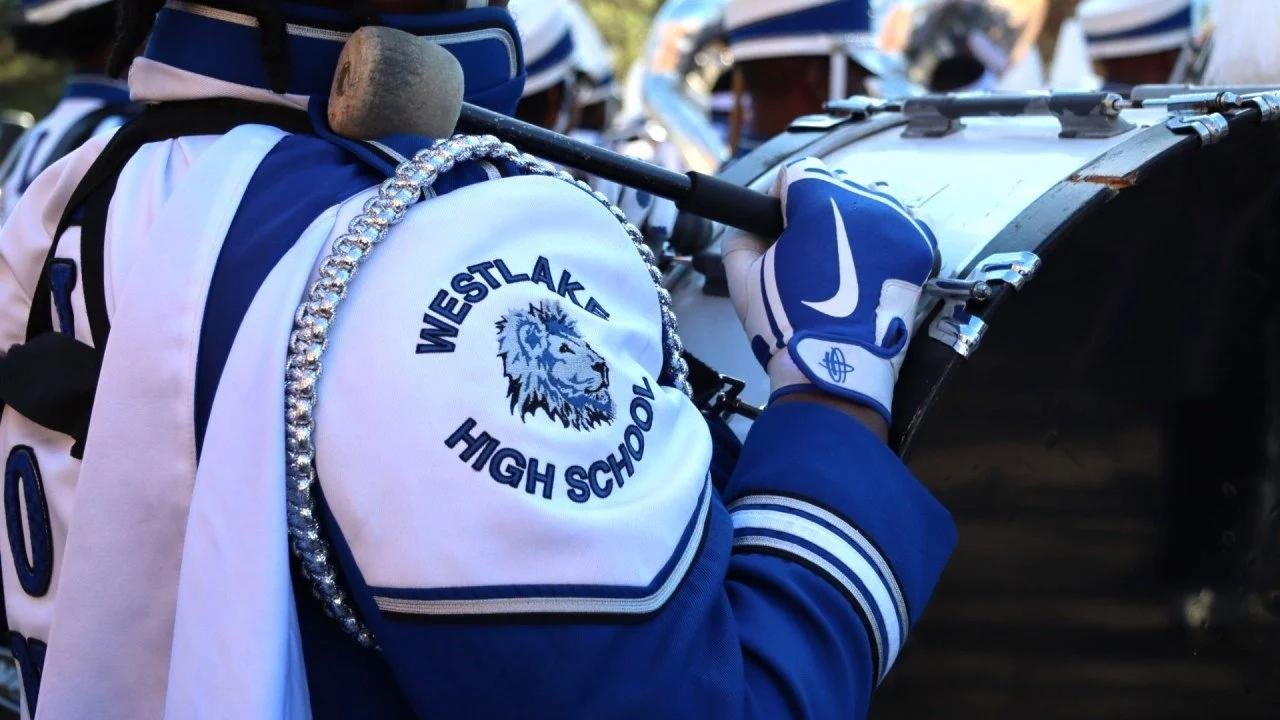
Westlake Tops Latest Metro Atlanta Band of the Year Rankings
Jonesboro and Pebblebrook lead the pursuit as tight scores and standout category performances keep the field competitive.
ATLANTA, Ga. (October 26, 2026) — Westlake High School holds the No. 1 spot in the latest Red Lobster Metro Atlanta Band of the Year High School Division rankings, using strong performances across all five scoring categories to establish a 23.5-point lead.
Westlake tops the standings with 358.25 points, followed by Jonesboro with 334.75 and Pebblebrook with 332. Creekside ranks fourth with 326.50 points, while Southwest DeKalb completes the top five with 321.75.
Behind Westlake, the standings leave little separation among the leading contenders. Jonesboro holds a 2.75-point advantage over Pebblebrook, and just 13 points separate second place from fifth.
Westlake’s position reflects its strength throughout the competition. The band leads Picture Drill and Design with 112 points and Auxiliary with 49.25. It also shares first place with Pebblebrook in Musicality at 80 points and Percussion at 59.
In Drum Major scoring, Westlake’s 58 points place it just behind category leader Southwest DeKalb, which earned 59.
Jonesboro remains Westlake’s closest challenger. The Cardinals rank second in Picture Drill and Design with 110 points, third in Musicality with 78 and third in Auxiliary with 44.75. Those results have helped Jonesboro maintain a narrow edge over Pebblebrook, whose shared leads in Musicality and Percussion anchor its third-place position.
The complete standings are:
| Rank | School | Points |
|---|---|---|
| 1 | Westlake High School | 358.25 |
| 2 | Jonesboro High School | 334.75 |
| 3 | Pebblebrook | 332.00 |
| 4 | Creekside High School | 326.50 |
| 5 | Southwest DeKalb High School | 321.75 |
| 6 | New Manchester High School | 317.50 |
| 7 | Stephenson High School | 313.75 |
| 8 | South Cobb High School | 311.50 |
| 9 | Arabia Mountain High School | 310.50 |
| 10 | McNair High School | 310.25 |
| 11 | Tri-Cities High School | 307.75 |
| 12 | Carver High School | 304.00 |
| 13 | Morrow High School | 303.75 |
| 14 | Midtown High School | 298.50 |
| 15 | Berkmar High School | 296.50 |
Several programs outside the overall top five are making a strong impression in individual categories.
Carver, ranked 12th overall, holds second place in Auxiliary with 46 points. McNair ranks fourth in Musicality and shares third place in Percussion, despite sitting 10th in the overall standings. Langston Hughes, which is outside the top 15, ranks fifth in Picture Drill and Design with 106 points.
Percussion features one of the closest category races. Westlake and Pebblebrook share the lead with 59 points, while Arabia Mountain, McNair and New Manchester are tied just one point behind.
The Drum Major standings are similarly tight. Southwest DeKalb leads with 59 points, followed by Westlake with 58. Arabia Mountain and New Manchester share the next position with 57.
Those results underscore the depth of the competition, with programs throughout the standings earning recognition for specific strengths.
The race for a place in the overall top five also remains close. Sixth-place New Manchester has 317.50 points, putting it 4.25 behind Southwest DeKalb. Stephenson follows with 313.75, while South Cobb, Arabia Mountain and McNair are separated by just 1.25 points.
Farther down the standings, only four points separate Tri-Cities, Carver and Morrow.
For Westlake, the challenge is to maintain the consistency that has produced the lead. Jonesboro and Pebblebrook remain its nearest competitors, while Creekside, Southwest DeKalb and New Manchester continue to press for stronger positions.
The latest rankings offer a snapshot of a competitive field in which musical execution, field design, percussion, auxiliary performance and student leadership all contribute to the overall result. Westlake has set the pace, but close margins throughout the standings give bands across Metro Atlanta plenty to pursue.
For rankings and event information, visit BandOfTheYear.com.
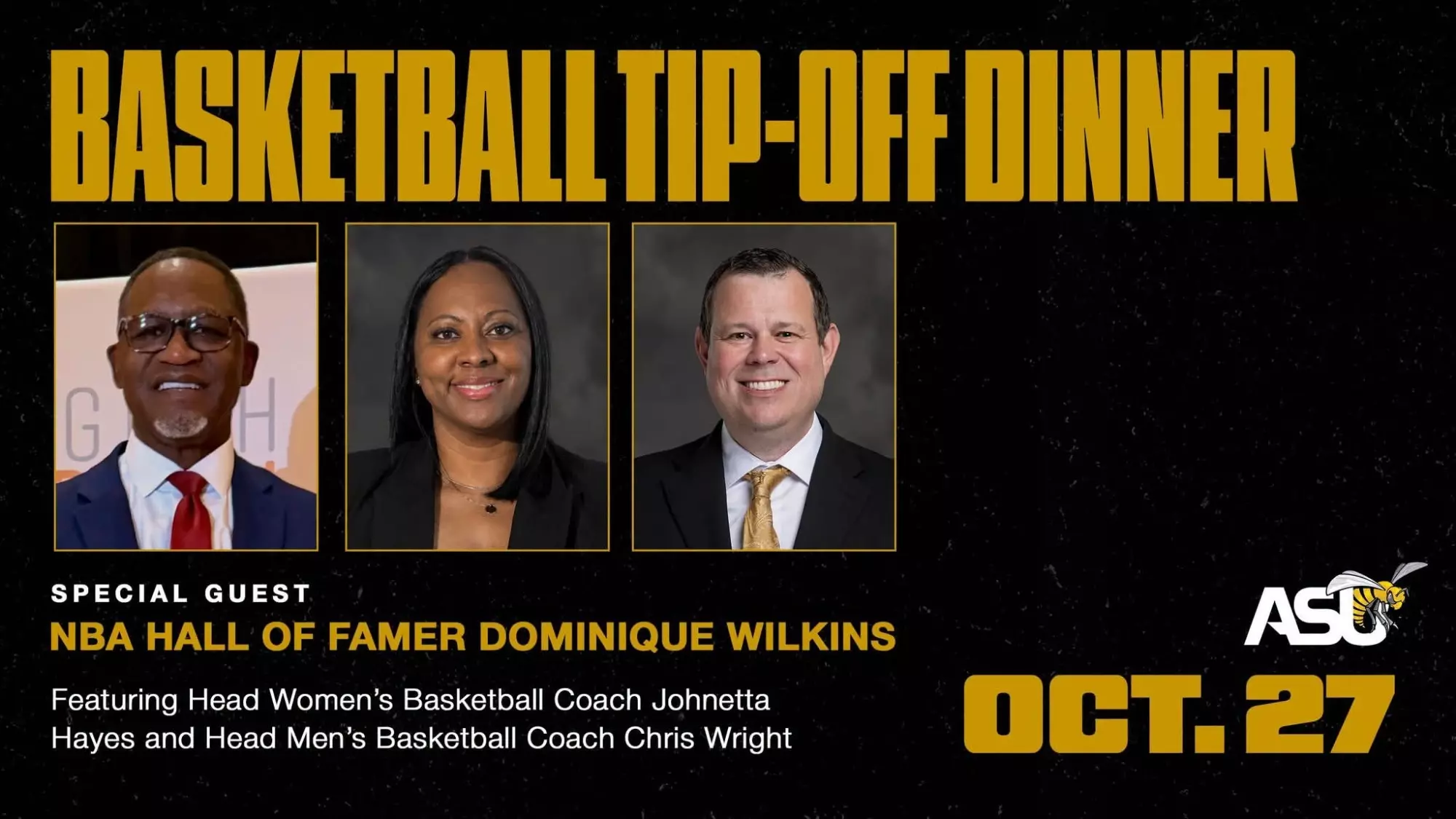
The annual celebration will bring Hornet supporters together to benefit the Hornet NIL Fund.
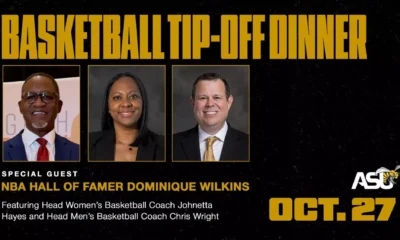
MONTGOMERY, Ala. — Basketball Hall of Famer Dominique Wilkins is coming to Alabama State University as the featured guest for the 2026 Basketball Tip-Off Dinner, now scheduled for Tuesday, October 27, at 7 p.m.
The event will take place at the John Garrick Hardy Student Center on campus, with proceeds benefiting the Hornet NIL Fund.
The annual dinner gives alumni, students, fans and members of the Montgomery community an opportunity to celebrate Alabama State basketball while supporting the program. Wilkins’ appearance adds another prominent basketball name to the gathering following last year’s sold-out dinner featuring Penny Hardaway and Cynthia Cooper.
This year’s event will continue that tradition, bringing supporters together ahead of the basketball season and highlighting the university’s athletic history.
Alumni, local businesses and community members are encouraged to purchase tickets early following the strong turnout for last year’s celebration.
Event Details
- Date: Tuesday, October 27, 2026
- Time: 7 p.m.
- Location: John Garrick Hardy Student Center, Alabama State University
- Special guest: Dominique Wilkins
- Proceeds benefit: Hornet NIL Fund
Tags: Alabama State University, Alabama State Hornets, Dominique Wilkins, HBCU Basketball, Hornet NIL Fund, Basketball Tip-Off Dinner, SWAC Basketball, HBCU Sports, Montgomery Alabama, College Basketball, HBCU Original, Alabama State Athletics, 2026 Basketball Season
Alumni Spotlight
Essence Fest 2026 puts Grambling State’s marching band and HBCU culture on a national stage

Coca-Cola is once again using the ESSENCE Festival of Culture to put a spotlight on HBCU pride, and this year Grambling State University is at the center of it.
The 2026 festival runs July 3-5 in New Orleans, and Coca-Cola has released its entertainment and cultural programming for the weekend. On the Coca-Cola Stage, the lineup includes performances from Destin Conrad, Coi Leray and Mario. But the bigger story for the HBCU community is a separate activation built around Coca-Cola’s “The World Is My Yard” platform, which brings actress Eva Marcille together with a performance from Grambling State’s World Famed Tiger Marching Band — one of the most recognized names in HBCU band culture.
The activation goes beyond a performance slot. Representatives from 15 HBCUs will be on-site holding office hours for prospective students and their families, covering admissions, academic programs, campus life and other pathways into HBCU education. That turns the festival into a recruiting and visibility opportunity as much as a cultural showcase — a chance for schools like Grambling State to reach families who may never set foot on a Southern HBCU campus otherwise.
This marks Coca-Cola’s 31st consecutive year as an Essence Fest partner. The company’s 2026 platform theme, “Every Side Shines,” is centered on music, wellness, culture and connection. Stephanie Eaddy, Coca-Cola’s senior director of cultural marketing, framed the festival as something bigger than a single weekend, calling it “a powerful platform for connection, community and impact.”
The festival’s footprint extends well past culture and music. Coca-Cola noted that the 2025 event generated more than $321 million in economic impact for New Orleans, supported upwards of 2,400 jobs, and produced over $103 million in income for local workers and businesses — numbers that underscore just how much weight Essence Fest carries for the city each summer.
For Grambling State, the appearance is another example of HBCU culture reaching a national audience through a mainstream platform — band culture, brand partnership, and student recruitment all overlapping in one weekend in New Orleans.
-
 Campus2 months ago
Why Major Artists Are Cancelling Concerts and Tours in 2026
-
 Sports1 month ago
Jackson State Takes No. 1 as Morgan State Climbs in HBCU Football Poll
-
 Sports3 weeks ago
North Carolina Central Opens MEAC Play Against Delaware State on ESPN2
-
 Sports1 month ago
HBCU Cross Country Championship Season Is Coming: Dates and Locations for Five Conferences
-
 Sports3 weeks ago
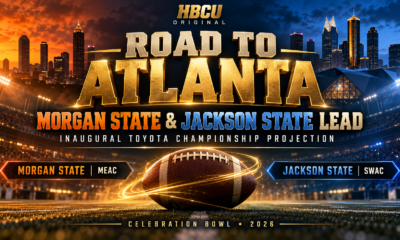
Morgan State, Jackson State Lead First Toyota Championship Projection
-
 Sports1 month ago
HBCU Original’s Cross Country Watch List: 25 Runners Making Their Mark This Fall
-
 Events3 weeks ago
Dominique Wilkins to Headline Alabama State Basketball Tip-Off Dinner Oct. 27
-
 Sports3 weeks ago
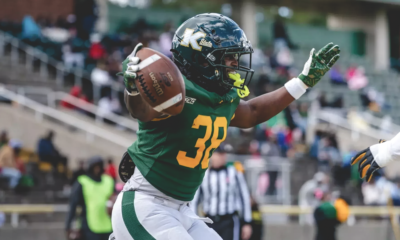
SIAC Football Race Heats Up With Six Key Matchups in Week 8