Connect with us

Campus

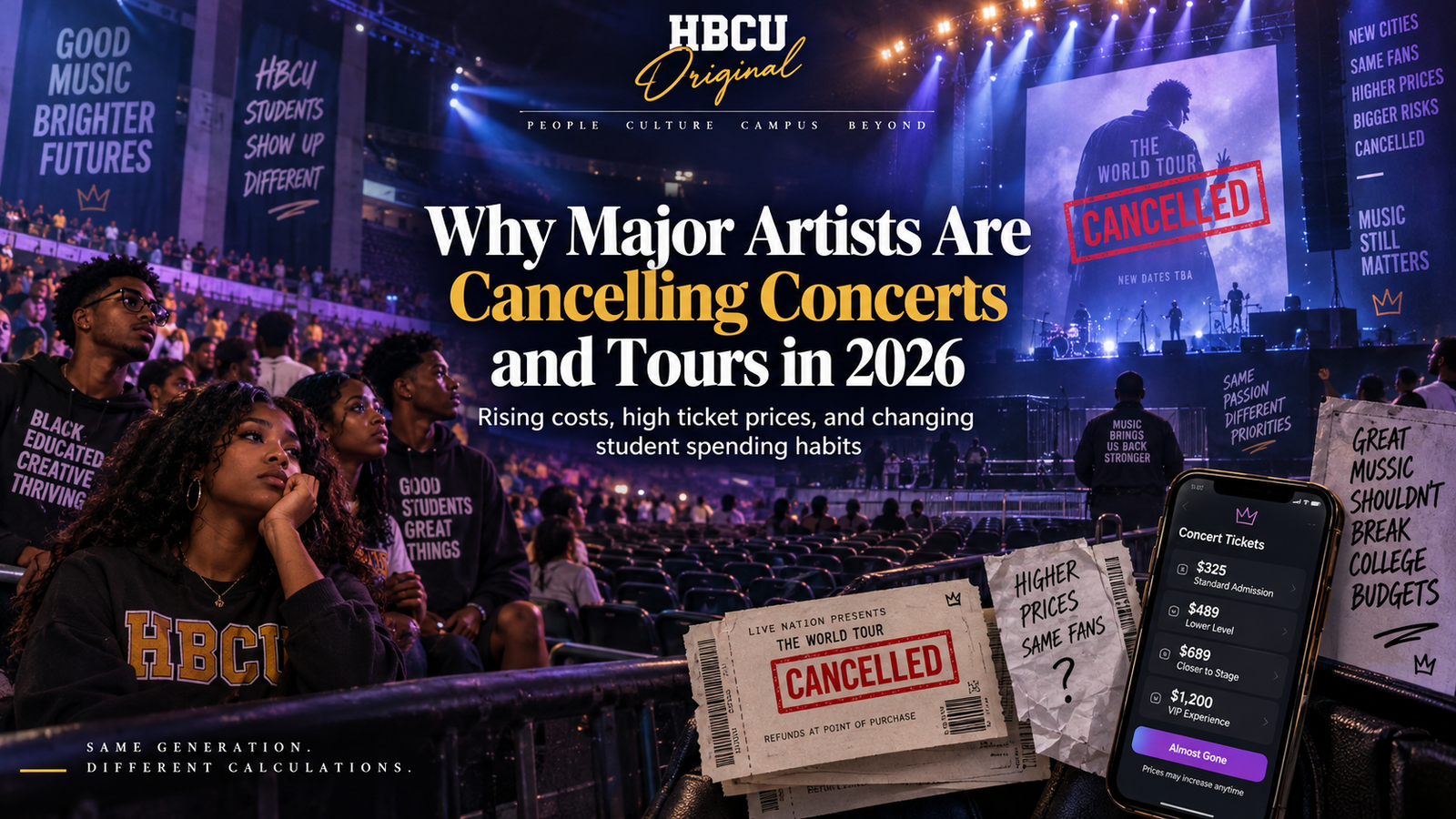
Why Major Artists Are Cancelling Concerts and Tours in 2026

HBCU ORIGINAL

Published

on

Rising ticket prices, touring costs and changing spending habits are forcing the music industry to rethink how it reaches college students and younger fans

HBCU Original | Entertainment & Culture

The concert business in 2026 is sending two very different messages.

Some of the biggest artists in the world are selling out arenas and stadiums, while other major performers are canceling shows, reducing tours or looking at seating charts filled with unsold tickets.

Post Malone, Meghan Trainor, Zayn Malik, the Pussycat Dolls and other recognizable artists have canceled or changed portions of their 2026 touring schedules. Their publicly stated reasons have varied, including health, family responsibilities, creative timing, logistics and increased touring expenses. Industry discussion around slower ticket sales has also produced a new phrase called Blue Dot Fever, referring to the blue dots representing available seats on online ticket maps.

But this does not mean people have stopped going to concerts.

Pollstar reported that the top 100 touring artists worldwide generated approximately $3.16 billion during its 2026 midyear reporting period, up 12.3 percent from the previous year. More than 26.3 million tickets were sold.

At the same time, the average number of tickets sold per show declined 4.6 percent worldwide. In North America, average attendance per show fell 5.6 percent and average gross per concert dropped 7.8 percent.

That tells a bigger story.

Fans still want live music. They are becoming more selective about which artists are worth the money.

The Price of One Concert Is No Longer Just the Ticket

Pollstar reported an average North American ticket price of about $122 for the top 100 tours during the first half of 2026.

For a college student, however, the ticket is only part of the expense.

Add transportation, parking, food, merchandise, service fees, an outfit and possibly a hotel, and a concert can quickly become a major purchase.

That creates a different decision for a 19 or 20 year old student than it does for an established professional with significantly more disposable income.

A student might love five artists but only have enough money to see one.

That does not mean the student stopped liking music.

It means the artist now has to win the student’s money.

Gen Z Has Not Abandoned Concerts

There is an important distinction.

Current research does not support the idea that Gen Z has simply stopped attending concerts.

Luminate reported in July 2026 that Gen Z attendees were spending an average of $101 per month on live music events, actually exceeding the $94 reported by Millennials.

But price still matters.

Luminate found that 57 percent of Gen Z respondents identified ticket cost as a factor affecting whether they attended an in person music event during the first quarter of 2026.

So young people still want the experience.

They are just asking a harder question before buying.

Is this artist worth $100, $150 or $200 to me?

That question becomes even more important for college students.

The HBCU Student Factor

There currently is not enough national research to say HBCU students specifically are abandoning concerts at a higher rate than other college students.

There is, however, strong evidence that finances are a serious issue for many students attending HBCUs.

UNCF reported that 51 percent of HBCU students said their financial situation was always or often stressful. UNCF also reports that more than 70 percent of HBCU students are eligible for federal Pell Grants.

That matters when entertainment companies are trying to reach the HBCU market.

A student deciding between groceries, transportation, books, rent, tuition expenses and a $150 concert ticket has a very different purchasing calculation from someone with significant disposable income.

The Hope Center for Student Basic Needs found that 59 percent of students in its 2023 to 2024 survey experienced at least one form of food or housing insecurity. Black students were among the groups experiencing particularly high levels of basic needs insecurity.

For promoters targeting college audiences, affordability cannot be separated from entertainment.

Students Have More Entertainment Choices

Another challenge is competition.

Previous generations depended heavily on concerts, television and radio to experience their favorite performers.

Today’s students have nearly unlimited entertainment sitting in their pockets.

TikTok.

Instagram.

YouTube.

Twitch.

Streaming music.

Podcasts.

Gaming.

Campus events.

Sports.

Festivals.

Day parties.

Homecoming.

Greek events.

Students can watch hours of an artist’s performances online without spending anything.

That does not replace the experience of attending a concert, but it means concerts are competing against far more options for a student’s time and money.

Social Media Followers Do Not Automatically Fill Arenas

The music industry is also learning that millions of followers do not necessarily equal thousands of ticket buyers.

Someone can watch an artist’s video, follow the artist on Instagram, use a song on TikTok and stream a single hundreds of times without being willing to spend $150 to see that artist live.

That difference becomes critical when promoters book arenas containing 15,000 to 20,000 seats or stadiums holding tens of thousands of people.

Going viral and developing a touring fan base are not necessarily the same thing.

The strongest touring artists tend to have something more powerful than online attention.

They have fans who consider seeing them live an event they cannot miss.

The Superstar Economy Is Getting Stronger

There is another unusual development.

While some tours struggle, superstar tours continue generating enormous demand.

Pollstar’s 2026 midyear numbers show record total ticket sales among the top 100 touring artists even while average attendance per performance declined.

SeatGeek also found intense demand for reunion and nostalgia acts, with returning artists receiving a roughly 50 percent resale price premium in its marketplace data.

This suggests the concert market may increasingly be separating into two groups.

There are artists fans feel they must see.

Then there is everybody else competing for whatever entertainment money remains.

College Students May Be Choosing Experiences Over Artists

For the HBCU market, promoters should also understand that the overall experience matters.

A student may hesitate to spend $150 for one artist performing at an arena but spend money during Homecoming because Homecoming provides several experiences at once.

There are concerts, football games, parties, Greek activities, alumni events, vendors, food, fashion and campus culture.

The value proposition is different.

This could explain why college focused entertainment may need to move beyond simply putting a popular artist on a stage and expecting students to purchase expensive tickets.

Students increasingly want an experience surrounding the performance.

Touring Costs Are Also Increasing

Fans are not the only ones dealing with higher expenses.

Touring requires transportation, hotels, production crews, lighting, sound equipment, staging, security, insurance and venue personnel.

Artists and promoters have cited rising logistics and production expenses when changing touring plans.

Roxette, for example, cited logistics and substantially higher touring costs when dates were canceled in 2026.

This creates a difficult situation.

Promoters need higher revenue to cover expenses.

Fans want affordable tickets.

Artists want profitable tours.

Something eventually has to give.

Are Concerts Too Expensive for College Students?

For some students, yes.

For others, it depends entirely on the artist.

That distinction may define the future of live entertainment.

Gen Z has demonstrated that it will spend money on concerts. The same generation is simply becoming more strategic about where that money goes.

For HBCU students dealing with tuition, housing, transportation, food and other college expenses, buying a concert ticket may require sacrificing something else.

The entertainment industry should pay attention.

Lower student pricing, group ticket packages, campus transportation, smaller venues, HBCU partnerships, student ambassador programs and college focused concert experiences could become increasingly important.

Because the problem may not be that young people no longer love concerts.

The bigger issue is that every concert is fighting to prove that it deserves a place in their budget.

And in 2026, having a famous name may no longer be enough.

We are dedicated to celebrating the rich history, vibrant culture, and enduring legacy of Historical Black Colleges and Universities (HBCUs). Our mission is to provide a platform that honors the invaluable contributions of HBCUs to higher education, social justice, and community empowerment. Through insightful articles, engaging narratives, and meaningful dialogue, we strive to amplify the voices, experiences, and achievements within the HBCU community. By fostering awareness, appreciation, and support for HBCUs, we aspire to inspire current and future generations to pursue excellence, equity, and inclusivity in education and beyond.

Campus

Albany State University Receives Tara VanDerveer Fund for the Advancement of Women in Coaching Grant

HBCU ORIGINAL

Published

on

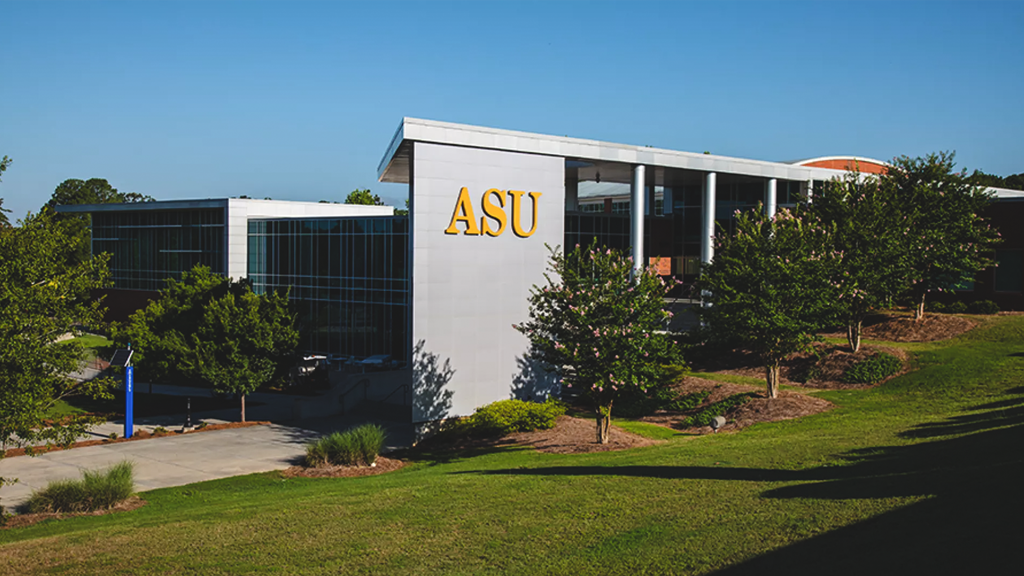
ALBANY, Ga. — Albany State University announced today that it has received a Tara VanDerveer Fund for the Advancement of Women in Coaching grant from the Women’s Sports Foundation (WSF®). Grants were awarded to institutions to support collegiate women coaches on the rise, assisting with living expenses, professional development and mentorship. Albany State is among this year’s grant recipients, with funding supporting women coaching fellows across a wide variety of sports.

Ty’Janae Brown, a 2025 graduate of Albany State University and former member of the Golden Rams softball program, will serve as Albany State’s WSF VanDerveer Fellow and an assistant coach with the women’s basketball program.

“We are extremely proud to be selected as a recipient of the Women’s Sports Foundation Tara VanDerveer Fund,” said Dr. Kristene Kelly, Director of Athletics at Albany State University. “One of our responsibilities as leaders in college athletics is to create opportunities for the next generation to learn, grow and see a pathway for themselves in this profession. Ty has shown tremendous initiative in pursuing her interest in coaching, and this grant gives us an opportunity to continue investing in her development while providing meaningful experience that will prepare her for the next step in her career.”

Brown’s transition into coaching began while pursuing her Master of Accounting degree at Albany State. After expressing an interest in women’s basketball and the coaching profession, she served as a graduate assistant with the Golden Rams women’s basketball program during the 2025-26 academic year. As a WSF VanDerveer Fellow, Brown will continue developing as a collegiate coach while gaining valuable experience in recruiting, player development, program operations and other aspects of the profession.

“We’re excited to have Ty continue with our program in this new role,” said Albany State Head Women’s Basketball Coach Todd Triplett. “She worked hard for us last year as a graduate assistant and has shown that she wants to learn and grow as a coach. This is a great opportunity for her, and we’re glad to have her on our staff.”

Since Title IX’s passage, the representation of women in collegiate coaching roles has drastically declined. During the 1970-71 academic year, women served as head coaches for 90% of women’s college teams. Fast forward to the 2024-25 academic year, women held only 41% of head coaching positions in women’s NCAA sports. The disparity is even more pronounced among BIPOC women, who made up only 8% of head coaches in women’s NCAA sports. In the same year, only 29% of all NCAA assistant coaches were women, with only 7% of all assistant coaches for men’s and women’s teams being BIPOC women.

Furthermore, WSF’s research report, “Play to Lead: The Generational Impact of Sports on Women’s Leadership,” revealed that there are still barriers to sport participation, including a lack of women role models and access to quality coaches. The data shows the lack of representation in coaching positions throughout the country is evident, and WSF is taking steps to address it by expanding the pipeline for aspiring women coaches at the collegiate level through the Tara VanDerveer Fund.

Inspired by the trailblazing coach, the WSF Tara VanDerveer Fund for the Advancement of Women in Coaching honors her legacy while investing in the future of collegiate sports. At the center of the program is the VanDerveer Fellow experience. Fellows participate in monthly connection and development sessions, engage with mentor coaches, and learn from inspirational guest speakers who are leaders in sport and beyond. The experience also includes a trip to New York City for WSF’s Annual Salute to Women in Sports® and related events. Together, these opportunities foster a strong, supportive community where Fellows learn from experts and each other, while applying new insights to their teams and careers.

This cohort continues the work of the Fund, which has now provided more than $1.6 million to 58 colleges and universities, supporting 68 VanDerveer Fellows across 17 sports. WSF looks forward to seeing where this group takes their coaching careers.

“For more than 50 years, the Women’s Sports Foundation has worked to expand opportunities for women to lead in sport, and coaching is a critical part of that work,” said WSF CEO Danette Leighton. “Women coaches bring invaluable perspectives, leadership and lived experience to athletes and the broader sports ecosystem. Through the Tara VanDerveer Fund for the Advancement of Women in Coaching, we are helping ensure more women have the opportunity to build careers and shape the future of sport. When young athletes see women coaching and leading, they see what is possible for themselves, and that is a legacy we are proud to continue building.”

About Albany State University Athletics
Albany State University is a National Collegiate Athletic Association (NCAA) Division II-level intercollegiate athletic program. The university currently fields teams in 12 sports: women’s volleyball, women’s tennis, women’s cross country, men’s and women’s basketball, softball, men’s and women’s indoor and outdoor track and field, baseball, and football, with all teams competing in the Southern Intercollegiate Athletic Conference (SIAC).

About the Women’s Sports Foundation
The Women’s Sports Foundation (WSF) exists to enable girls and women to reach their potential in sport and life. We are an ally, an advocate, and a catalyst for tomorrow’s leaders. Founded by Billie Jean King in 1974, we are one of the first organizations to recognize the powerful connection between sport access, equity, and society. For over 50 years, WSF has been changing the game through its research, advocacy, and community programming, investing over $115 million to help girls and women play, compete, and lead – in sports and beyond – without barriers. A leader and champion of the entire women’s sports ecosystem, WSF amplifies the vital societal and cultural impact that is made when girls and women play sports. When girls play, they lead, and we all win!®


FOLLOW THE SIAC
Stay connected by following the Southern Intercollegiate Athletic Conference on FacebookInstagram and X @TheSIAC.

SIAC NEWS
Sign up for SIAC News to be among the first to receive media releases, updates and more!
Continue Reading

Campus

SIAC Mourns the Loss of Benedict Director of Athletics, Hall of Famer Willie Washington

HBCU ORIGINAL

Published

on

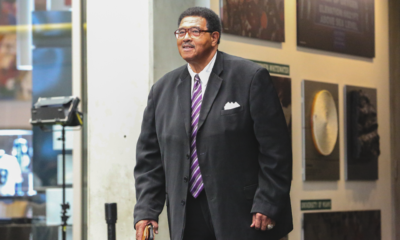
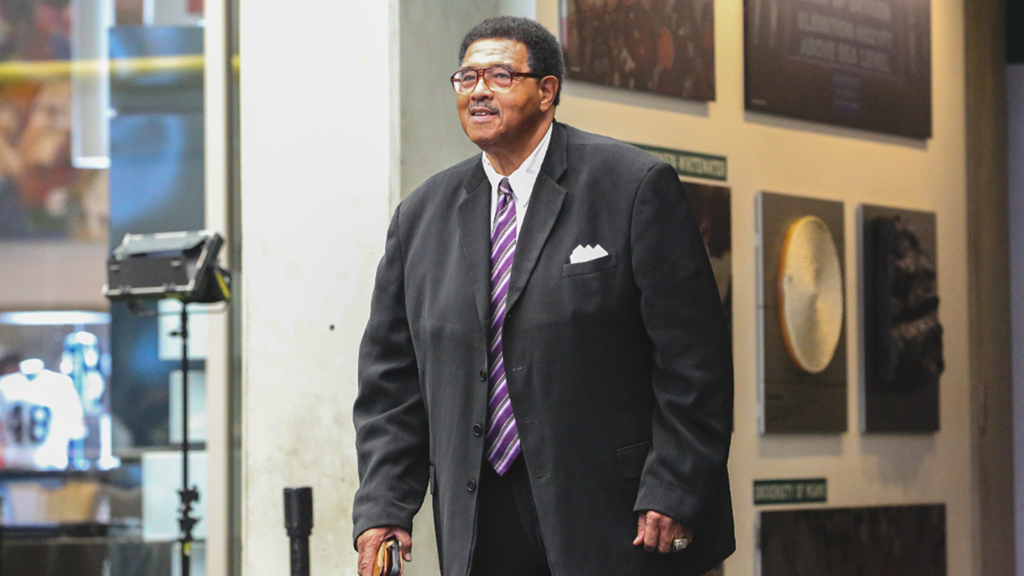
ATLANTA — The Southern Intercollegiate Athletic Conference mourns the loss of Benedict College Director of Athletics and SIAC Hall of Famer Willie Washington, whose decades of leadership, service and achievement left an indelible mark on the SIAC, Benedict College and generations of student-athletes, coaches and administrators. Washington passed away Monday, Aug. 31.

Washington was one of the most respected and accomplished administrators in SIAC history, with a career defined by competitive excellence, program development and student-athlete success.

“We are deeply saddened by the passing of Coach Willie Washington,” said SIAC Commissioner Anthony Holloman, Ed.D. “Coach Washington was held in high regard by all whose lives he touched during his career. His leadership, wisdom and commitment helped shape generations of student-athletes, coaches and administrators. His induction into the SIAC Hall of Fame and the award that now bears his name speak to the respect he earned and the legacy he leaves behind.”

Washington became Benedict’s full-time director of athletics in 1998-99 and helped guide the institution’s transition back to NCAA Division II competition and the SIAC while expanding the athletics program from eight to 14 sports, including the return of football.

Following Benedict’s return to the SIAC, Washington helped establish the Tigers as one of the conference’s most successful athletics programs, as Benedict captured more than 50 SIAC championships across multiple sports during his tenure.

Benedict won five SIAC Men’s Commissioner’s Cups under Washington’s leadership, claiming the honor in 2014-15, 2015-16, 2021-22, 2022-23 and 2023-24. The Tigers also captured five SIAC Women’s Commissioner’s Cups in 2014-15, 2015-16, 2016-17, 2021-22 and 2022-23.

Benedict swept the men’s and women’s awards four times: 2014-15, 2015-16, 2021-22 and 2022-23.

In 2024, Washington became the second Benedict representative inducted into the SIAC Hall of Fame, joining Dr. Leroy Walker, whom he considered a mentor.

In July 2026, the SIAC further honored Washington’s legacy by presenting the inaugural SIAC Willie Washington Athletic Director of the Year Award. Named in recognition of his remarkable contributions to intercollegiate athletics, the award honors athletic directors who demonstrate exceptional leadership, competitive excellence, innovation and a commitment to advancing their institutions and the conference. Tuskegee University Vice President of Intercollegiate Athletics Reginald Ruffin was selected as the inaugural recipient.

Washington’s contributions to the conference extended well beyond Benedict’s competitive success. He served as chairman of the SIAC Athletic Directors Council, contributing to the leadership and advancement of athletics throughout the conference.

At the national level, Washington served on the NCAA Division II Men’s Basketball Committee and was a member of the NCAA Division II Management Council, NCAA Honors Committee and NCAA Diversity and Inclusion Committee.

Washington arrived at Benedict in 1988 as head men’s basketball coach and assistant athletic director after 12 years at Allen University, where he served as head men’s basketball coach and director of athletics.

During his tenure as Benedict’s head men’s basketball coach, the Tigers never experienced a losing season. Washington led Benedict to nine consecutive Eastern Intercollegiate Athletic Conference (EIAC) championships, earned eight EIAC Coach of the Year honors and guided the Tigers to four National Association of Intercollegiate Athletics (NAIA) national tournament appearances during the 1990s. He reached the 200-win plateau during the 1997-98 season.

Benedict also won six of the seven EIAC Commissioner’s Cups presented during its time in the conference.

Washington was named the NAIA Southeast Region Athletic Director of the Year in 1999.

Washington’s influence also extended to academics and student-athlete well-being. Under his leadership, Benedict student-athletes consistently maintained a cumulative grade-point average above 3.0. The institution produced its first two Academic All-Americans in 2015, followed by additional Academic All-Americans in 2017, 2022, 2023 and 2024.

Washington was instrumental in securing NCAA grants to assist student-athletes, and in 2010, Benedict received the NCAA Division II National Community Engagement Award of Excellence.

His commitment to service extended beyond college athletics. Washington received the Presidential Citation Civic Leadership Award from the South Carolina State Conference of the NAACP in 2012 and served as chairman of the board of the Laurinburg Institute, a historic African American preparatory school in Laurinburg, North Carolina.

Washington’s career earned him recognition in several halls of fame. In addition to his 2024 SIAC Hall of Fame induction, he was inducted into the EIAC Hall of Fame in 1998 and Benedict College Athletic Hall of Fame in 2004. He was also inducted into the Renaissance Foundation’s Finney Hall of Fame in 2018 and the Allen University Athletic Hall of Fame and the Laurinburg Hall of Fame in 2016.

Washington graduated from Tougaloo College in 1974 with a degree in health, physical education and recreation and was a member of the men’s basketball team. He later earned a master’s degree in health and physical education from Jackson State University. Following his collegiate career, Washington played professionally for the Carlos Basketball Club in Brussels, Belgium.

Washington’s influence reached far beyond wins and championships. The standard he set through leadership, mentorship and service leaves an enduring legacy at Benedict College, throughout the SIAC and across collegiate athletics.

The Southern Intercollegiate Athletic Conference extends its deepest condolences to Washington’s family, friends, colleagues, former student-athletes and the entire Benedict College community.

FOLLOW THE SIAC
Stay connected by following the Southern Intercollegiate Athletic Conference on Facebook, Instagram and X @TheSIAC.

SIAC NEWS
Sign up for SIAC News to be among the first to receive media releases, updates and more!
Continue Reading

Campus

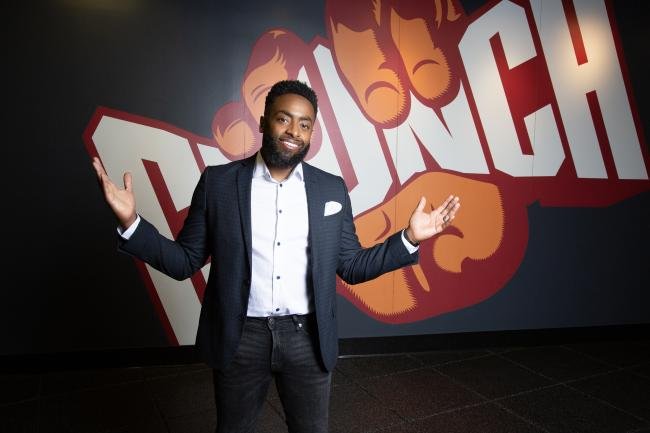
Howard Alumnus Chequan Lewis Takes the Helm as CEO of Crunch Fitness

HBCU ORIGINAL

Published

on

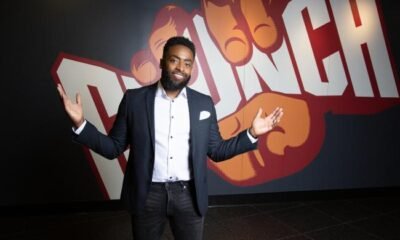
Former Mister Howard Chequan Lewis is bringing lessons in leadership, ambition and legacy from Howard University into his new role leading one of the world’s largest fitness brands.

Howard University alumnus Chequan Lewis has reached another major milestone in a career that has taken him from Washington, D.C. classrooms to executive leadership.

Lewis, a 2005 Howard graduate, has been named CEO of Crunch Fitness after previously serving as the company’s president. He now leads a global fitness organization with more than 550 locations and millions of members around the world.

It is a path Lewis admits he did not originally picture for himself.

When he graduated from Howard, Lewis had his sights set on politics and even dreamed of one day becoming President of the United States. Business leadership was not part of his original plan.

Still, the same ambition that pushed him toward politics eventually helped him build a career that included leadership roles at Pizza Hut and Crunch Fitness.

For Lewis, Howard University played a major role in preparing him to take advantage of opportunities he could not have predicted.

From Howard to Corporate Leadership

Lewis studied political science and economics at Howard, where he built an impressive record as a student.

During his time on campus, he served as Mister Howard, participated in student government, became a member of Alpha Phi Alpha Fraternity, Inc., and graduated with a perfect GPA.

He credits the university with teaching him not to place limits on what he could accomplish.

That mindset became important as his career moved in directions far different from what he imagined as a college student.

Lewis later attended Harvard Law School before building experience in business and corporate leadership. He began his professional career at McMaster Carr Supply Company before eventually joining Pizza Hut U.S.

At Pizza Hut, Lewis served as chief operating officer and also became the company’s first chief equity officer. His responsibilities included operations, workplace culture, talent development and community impact.

Those experiences eventually helped lead Lewis to Crunch Fitness.

He joined Crunch as president in 2024 and helped oversee a major period of expansion for the company. Crunch grew into a systemwide business valued at approximately $1.5 billion before Lewis moved into the CEO position.

Building the Next Chapter of Crunch Fitness

As CEO, Lewis is responsible for the overall direction of Crunch Fitness.

His responsibilities include operations, branding, marketing, member experience, franchise relationships, innovation and global expansion.

Crunch currently operates clubs in the United States and international markets including Australia, Canada, Costa Rica and India.

Lewis expects the company to continue expanding rapidly, with hundreds of additional locations possible in the coming years.

But his vision goes beyond simply opening more gyms.

Lewis wants Crunch to become a brand that plays a meaningful role in people’s lives.

For him, fitness centers can become places where people improve their health, gain confidence, find employment opportunities and begin working toward a better version of themselves.

That larger purpose is something Lewis considers central to the next stage of Crunch’s growth.

Howard Remains at the Center of His Story

Although Lewis later attended Harvard, he continues to describe Howard as the institution that had the greatest influence on the leader he became.

Howard gave him more than an education.

It exposed him to Black history, culture, achievement and leadership while surrounding him with people who pushed him academically and personally.

Lewis has said the leadership qualities he carries today were shaped primarily by his family, his faith and Howard University.

His connection to the university remains strong.

In 2024, Lewis returned to Howard’s School of Business as part of its Executive Lecture Series. His presentation, Legendary: Powered by Legacy, gave him an opportunity to speak directly with students sitting in the same classrooms and walking the same campus he once did.

The moment carried special meaning because Lewis remembered visiting the School of Business as an undergraduate.

Although he was not a business student, he would notice the photographs of executives and business leaders displayed as part of the school’s Executive Lecture Series.

Years later, Lewis returned as one of the leaders invited to share his own journey.

For Lewis, leadership is also connected to what a person leaves behind.

He views legacy as more than what previous generations provide. It also includes what today’s leaders create and pass to the people coming behind them.

Choosing Howard

Lewis’ connection with Howard began before he ever arrived in Washington.

He grew up in an HBCU family with strong ties to Tougaloo College in Mississippi, where his parents met.

Many members of his family expected him to continue that tradition.

Lewis chose another direction.

His interest in politics attracted him to Washington, D.C., while Howard’s history attracted him to the university itself.

The accomplishments of Howard figures such as Thurgood Marshall, Charles Hamilton Houston, Andrew Young and Donny Hathaway helped Lewis see the university as a place where he could become the person he wanted to be.

As a top student coming out of Haltom High School in Texas, Lewis had several academic options. Still, he believed Howard was the right place to begin his college journey.

Looking back, he considers choosing Howard at 17 years old one of the most important decisions of his life.

A Message for the Next Generation

Lewis now uses his platform to encourage young people and future leaders to think beyond the careers they currently imagine.

His own journey demonstrates why.

The political science and economics student who once dreamed about running the country eventually became the leader of a billion dollar fitness organization.

Lewis encourages students to dream big while also developing the skills needed to turn opportunity into results.

He emphasizes preparation, authenticity, humility, intentional leadership and substance.

He also challenges younger leaders to aim beyond the accomplishments of the people they admire.

For Howard students, Lewis’ career represents another example of how an HBCU experience can prepare graduates to lead across industries they may never have originally considered.

His career has taken him from Howard University to Harvard Law School, Pizza Hut and now the top position at Crunch Fitness.

Through every chapter, Howard remains part of the foundation.

And as Lewis begins his tenure as CEO, his story continues to show that the path from an HBCU campus can lead almost anywhere.

Continue Reading

Campus

HBCU Athletic Conference Celebrates 988 Student-Athletes on 2025–26 Commissioner’s Honor Roll

HBCU ORIGINAL

Published

on

Continue Reading

Campus

Alabama State Receives Reduced NCAA Infractions Ruling, Will Serve Three Years of Probation

HBCU ORIGINAL

Published

on

Alabama State University’s long-running NCAA infractions case ended with a reduced classification after the NCAA Division I Committee on Infractions ruled the matter as a Level I Mitigated case instead of the more severe aggravated designation.

The decision carries the minimum financial penalty allowed for a Level I violation: a $30,000 fine plus one percent of the football program’s budget, along with three years of probation. University officials said they accept the ruling and will not file an appeal, though they remain convinced the case never warranted one of the NCAA’s highest classifications.

“This confirms what we have maintained from the outset — this case was improperly elevated,” Alabama State representative Dr. Jason Cable said. “The underlying conduct, tied to the former Sports Information Director and head coach, simply does not justify placement among the most severe cases in collegiate athletics.”

The case centered on the alteration of competition statistics for one student-athlete during the 2019 football season. Alabama State acknowledged that a former sports information director changed the athlete’s statistics on the school’s athletics website, allegedly at the direction of the former head football coach.

However, after a contested hearing, the NCAA Committee on Infractions determined there was not enough evidence to hold the former coach personally responsible for directing the changes. Alabama State said its acceptance of responsibility was based solely on the actions of its employee and not on any finding against the former coach.

University officials also emphasized that the NCAA found no lack of institutional control or failure to monitor within the athletics department.

Despite the reduced classification, Alabama State President Dr. Quinton T. Ross Jr. questioned the consistency of the NCAA’s enforcement process.

“While today’s decision is a downgrade from the Level I aggravated classification, we still believe that the scope of the penalty does not reflect the university’s involvement, or lack thereof, in this matter,” Ross said.

Ross pointed to what he called a significant disparity between Alabama State’s penalties and those issued to the University of Arizona. According to the university, Arizona, which certified the student-athlete’s eligibility and benefited competitively, received a Level III violation and a $500 fine, while Alabama State was assessed a Level I violation despite not certifying the player’s eligibility or receiving a competitive advantage.

“We believe the standards should be applied consistently across all institutions,” Ross said. “This case underscores the importance of fairness and accountability throughout the NCAA governance process.”

Ross also credited Vice President of Intercollegiate Athletics and General Counsel Kenneth Thomas for helping secure a reduction in what could have been more severe sanctions.

To address the issues identified during the investigation, Alabama State said it has already implemented several compliance measures, including revised statistical reporting procedures, expanded auditing practices, enhanced postgame reviews, and additional NCAA compliance education for athletics staff.

The university said those measures will remain in place throughout its probationary period.

With the case now officially resolved, Alabama State plans to move forward without an appeal.

“The institution is ready to begin its probationary period, fulfill all associated obligations, and direct its full energy to its student-athletes, its programs, and its future,” the university said.

Continue Reading

Trending Now